
Ford News















































































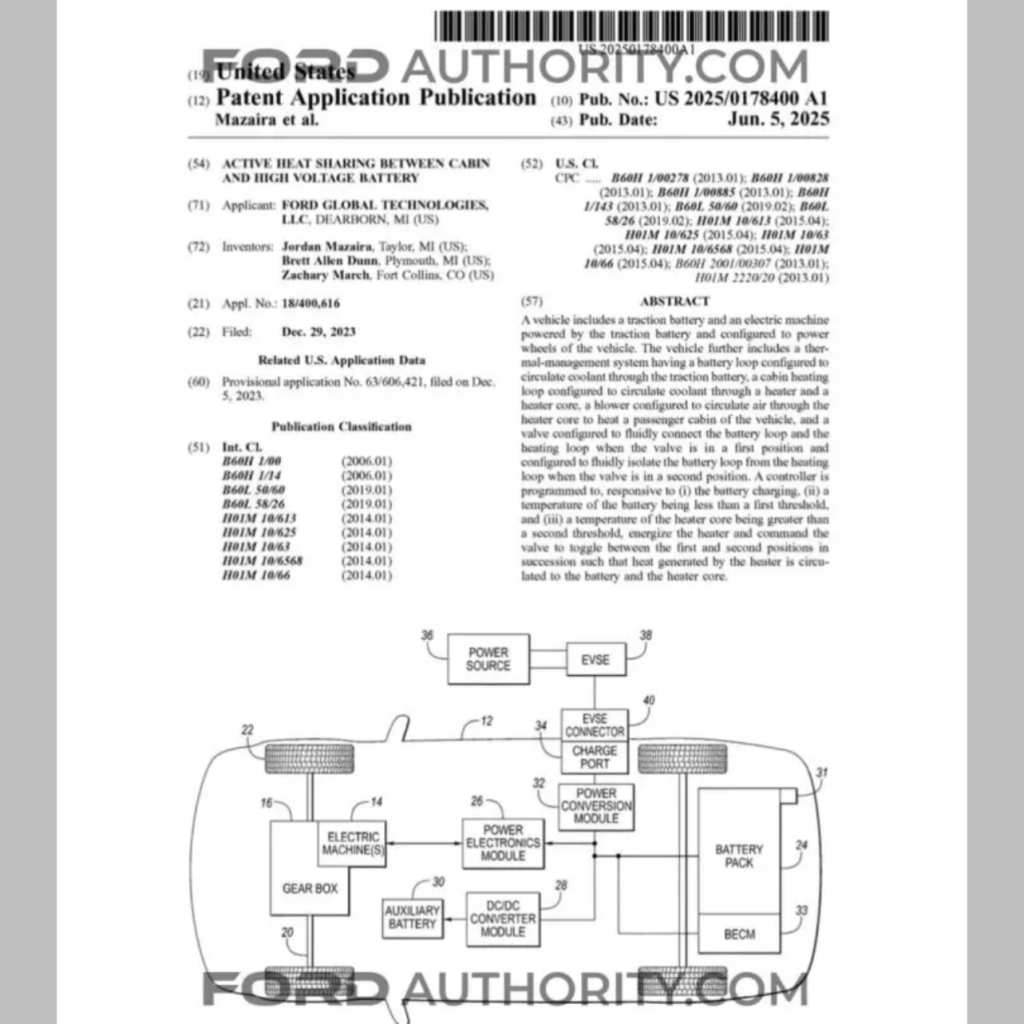
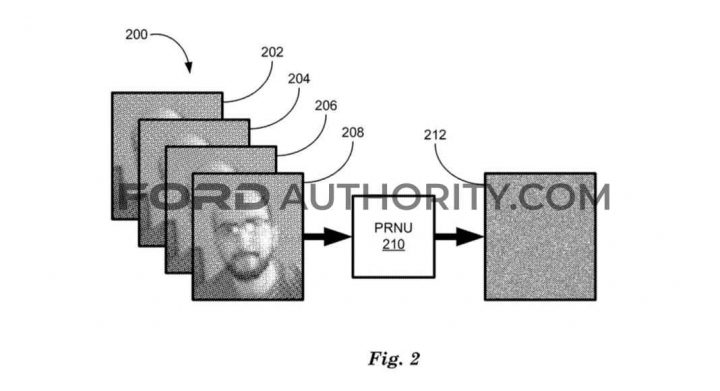



Ford is exploring a future where getting comfortable behind the wheel might not require adjusting anything at all. A newly published patent describes technology that could detect an occupant’s size and automatically configure numerous components inside the vehicle to better fit them. Ford Authority
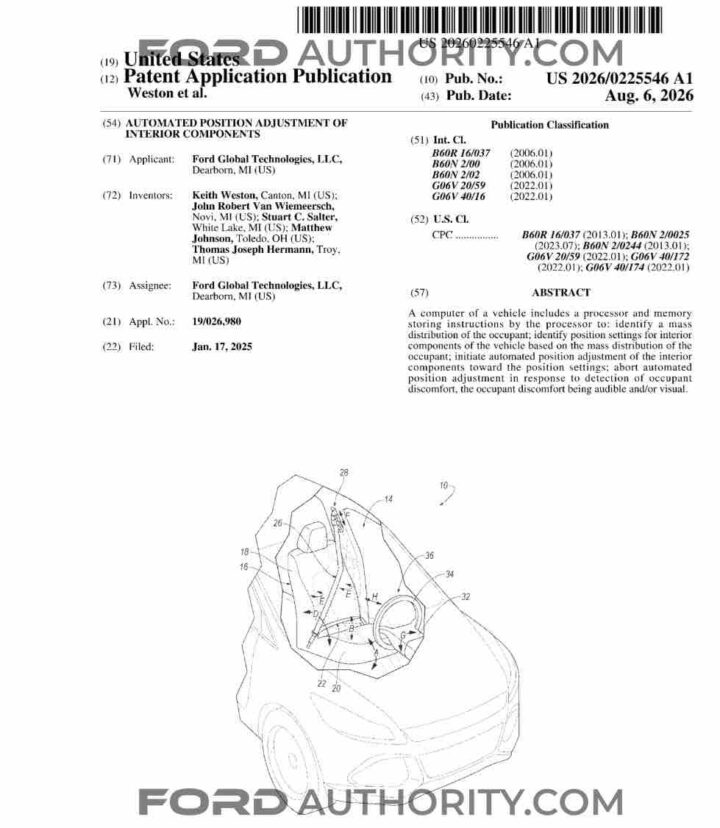
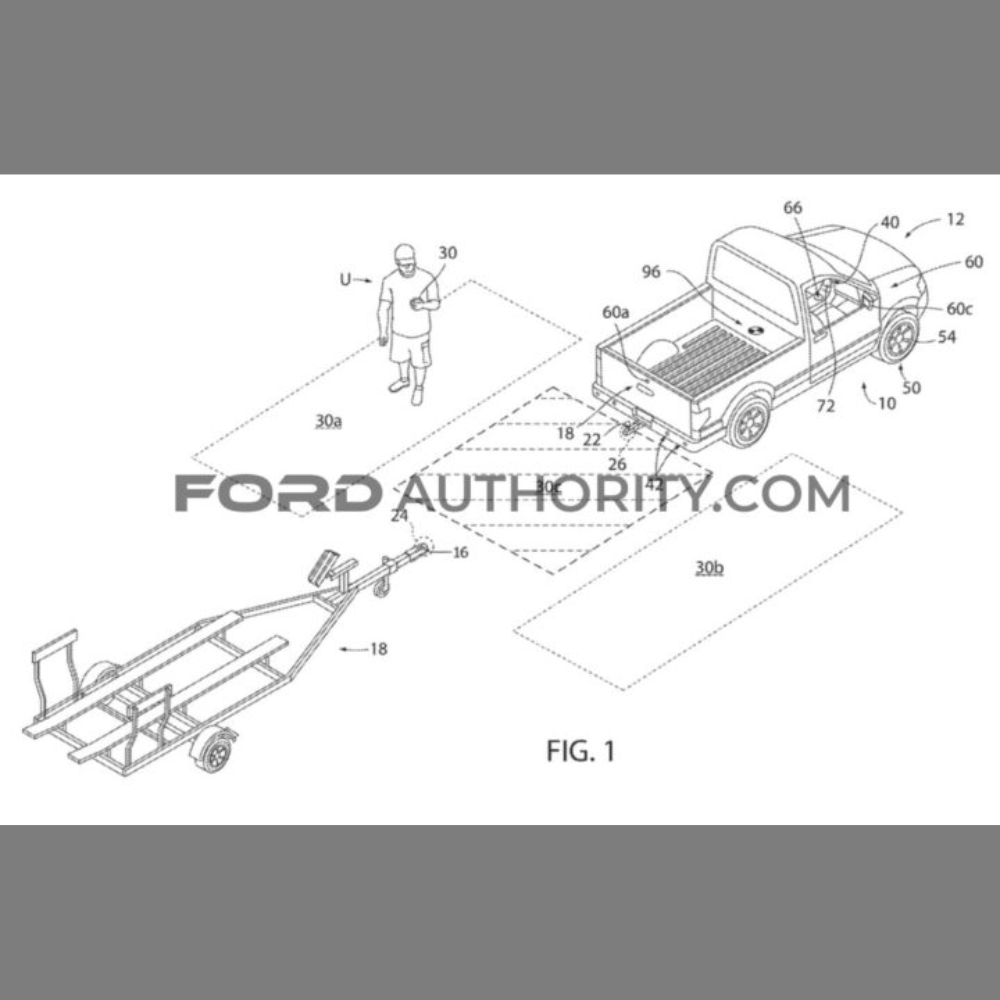
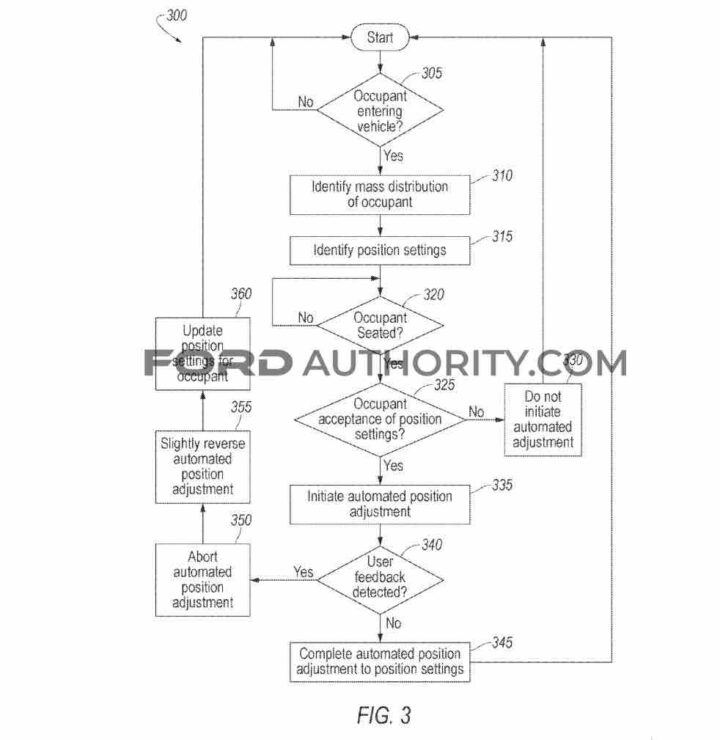
According to Ford Authority’s report, Ford’s proposed automated interior component adjustment system would determine an occupant’s size and use that information to change the settings of adjustable components throughout the cabin. The patent was filed in January 2025 and published in August 2026. Ford Authority
The idea goes considerably further than the memory-seat functions we’re familiar with today. Rather than simply recalling a collection of settings that someone previously programmed, Ford’s concept would automatically determine appropriate adjustments whenever a different occupant enters the vehicle. In other words, the vehicle itself could figure out how its interior should be configured for the person using it. Ford Authority
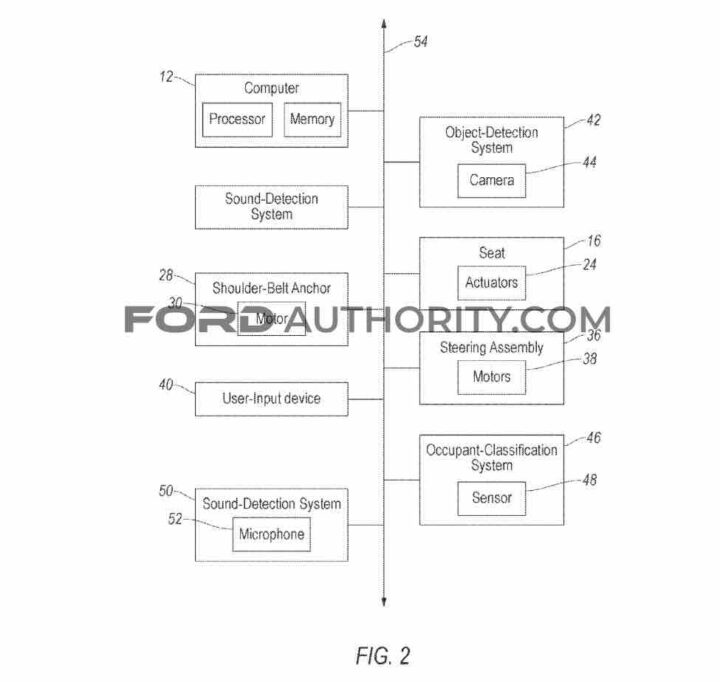
Ford’s proposed system wouldn’t necessarily have the final say, either. If an occupant doesn’t like the adjustments it makes, they could provide feedback and fine-tune the settings. The system could then learn from those changes and evolve its adjustments over time, potentially creating a more personalized experience the more it’s used. Ford Authority
It’s an interesting glimpse at where vehicle personalization could be headed. For a vehicle shared between drivers or used by several members of a family, an interior that automatically adapts to whoever climbs aboard could remove a lot of repetitive adjustment. It could also make getting into an unfamiliar vehicle feel considerably more natural if the cabin can determine an appropriate starting position on its own.
As with Ford’s other patent filings, this isn’t confirmation of a future production feature. Ford routinely patents new ideas to protect its intellectual property and specifically cautions that patent applications shouldn’t be interpreted as product plans. Still, if this technology eventually reaches production, your future Ford might not just remember how you like things. It could figure that out for itself.