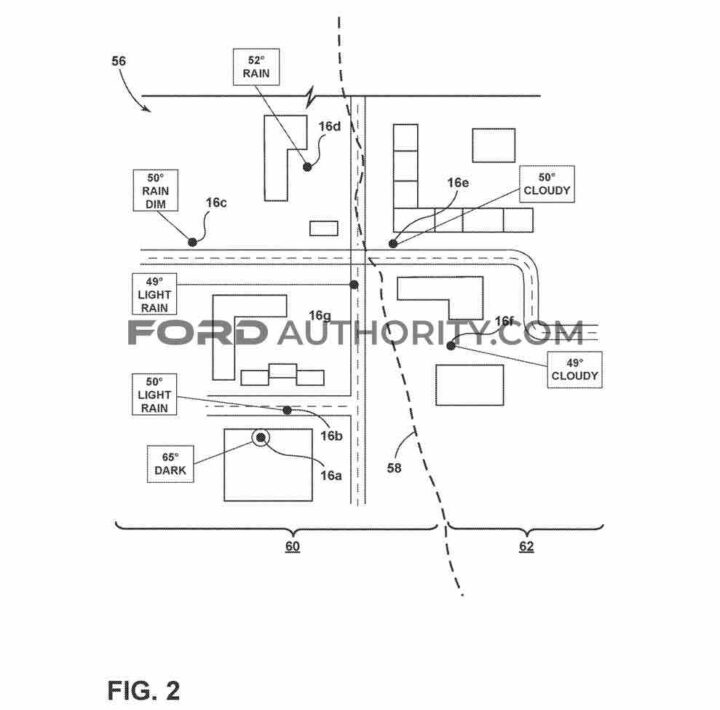
Ford is continuing to explore ways to make driving safer and more informed, and its latest patent filing suggests that future vehicles could deliver highly accurate, real-time weather updates using advanced detection technology. This concept builds on the growing role of connected vehicles, turning everyday driving into a source of valuable data that benefits everyone on the road.
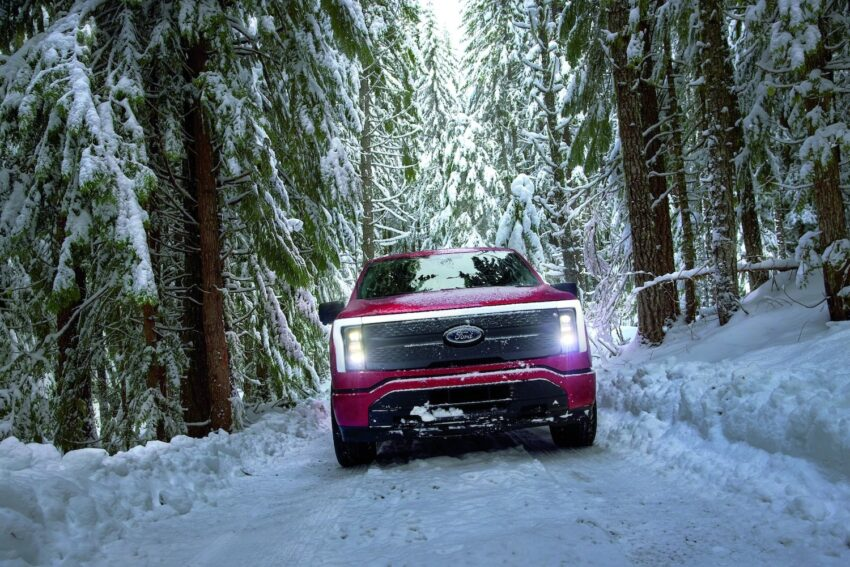
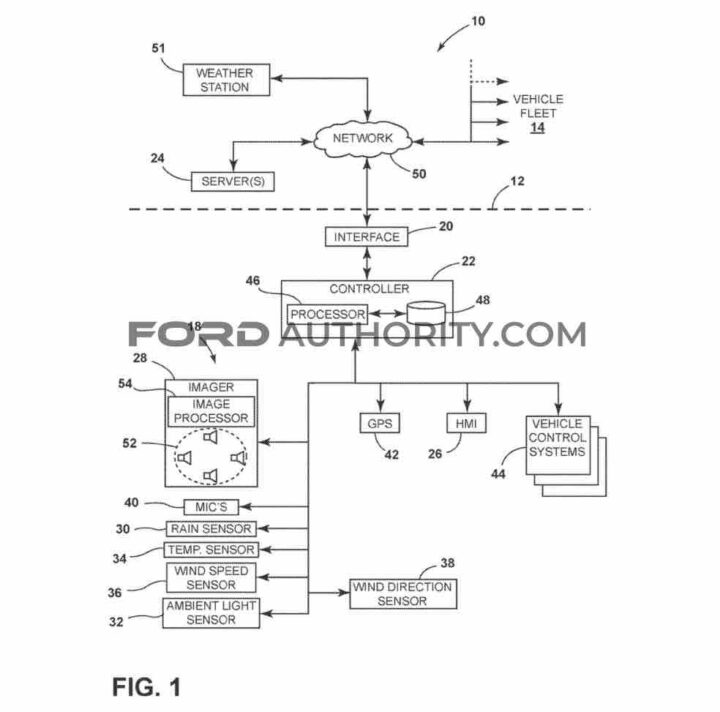
At the core of this idea is a weather detection system that uses onboard sensors to gather environmental data such as temperature, precipitation, and road conditions. Unlike traditional forecasts that rely on broader regional data, this system would collect hyper-local information directly from vehicles operating in specific areas, providing a much more precise picture of current conditions.
What makes this approach particularly powerful is its potential to function as a connected network. Vehicles equipped with this technology could share data with one another, creating a crowdsourced weather system that updates in real time. This could help drivers better prepare for sudden changes in weather, whether it is a patch of icy road, localized rainfall, or shifting temperatures.
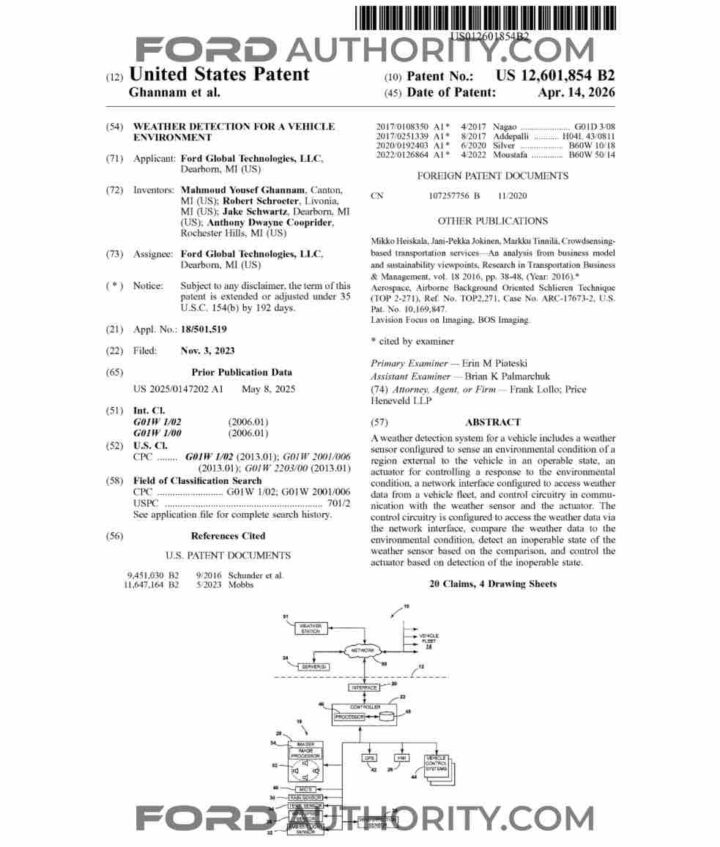
Ford’s patent also suggests that drivers could be incentivized to participate by sharing their vehicle’s data. By opting in, owners may receive certain benefits while contributing to a broader network that improves accuracy for everyone. It is a smart way to encourage participation while enhancing the overall driving experience.
This type of innovation could have meaningful real-world benefits. Weather conditions can vary dramatically even within short distances, and traditional forecasting methods do not always capture those differences. With more precise and immediate updates, drivers could make safer decisions, adjust routes, and avoid potentially hazardous situations before they encounter them.
While this technology is still in the concept phase, it highlights Ford’s ongoing commitment to leveraging connectivity and smart systems to improve safety and convenience. As vehicles continue to evolve, features like this could play a key role in delivering a more informed, confident driving experience.