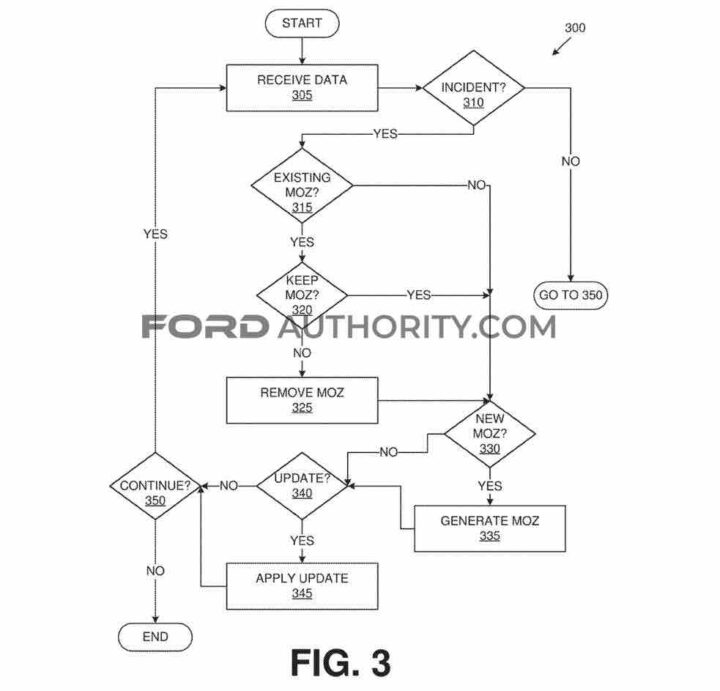
Ford is continuing to explore advanced ways to make driving safer and more intuitive, and its latest patent filing points to a future where vehicles can automatically adapt to their surroundings. This new concept focuses on a vehicle operations system that uses geographic zones to adjust how a vehicle behaves in real time.
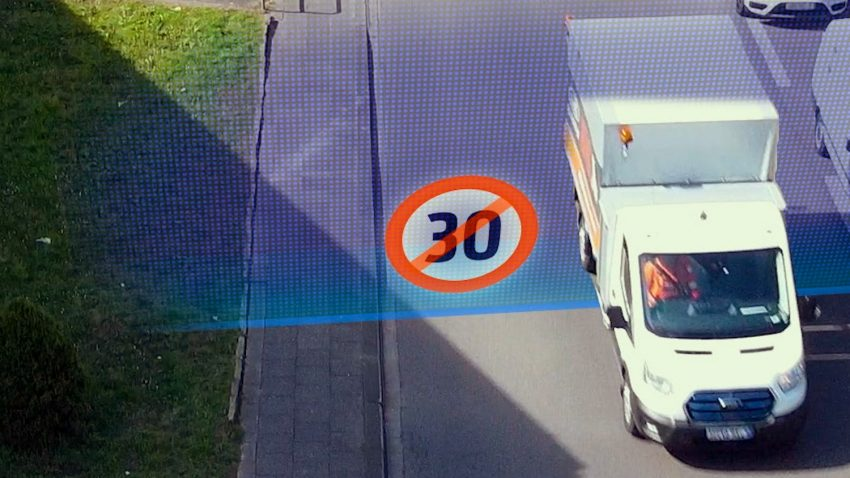
At the heart of this idea is geofencing technology, which creates virtual boundaries based on location. Ford’s system would use built-in map data combined with zone-specific rules to modify vehicle behavior depending on where it is being driven. This could include automatically adjusting speed limits, ensuring drivers remain compliant as they move between different areas.
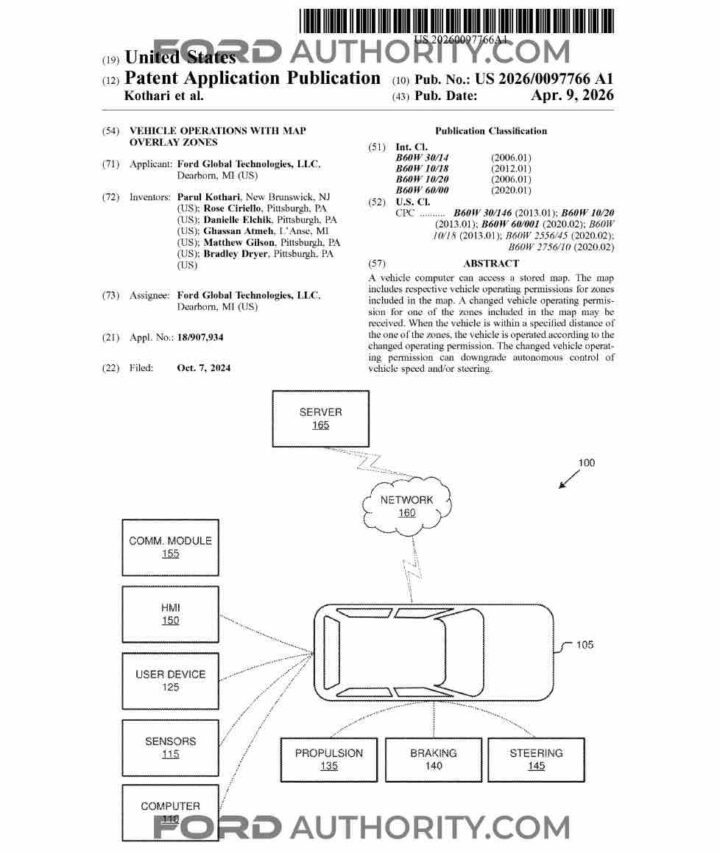
One of the most compelling aspects of this technology is its ability to update dynamically. The system could receive real-time information and adjust accordingly, meaning drivers would not have to rely solely on roadside signage or memory. Whether entering a school zone, construction area, or reduced-speed urban core, the vehicle could seamlessly adapt without driver input.
Ford has already explored similar concepts in the past, including pilots in Europe where vehicles automatically slow down in designated areas. This latest patent builds on that foundation, suggesting a more comprehensive system that could handle multiple types of operational changes beyond just speed control.
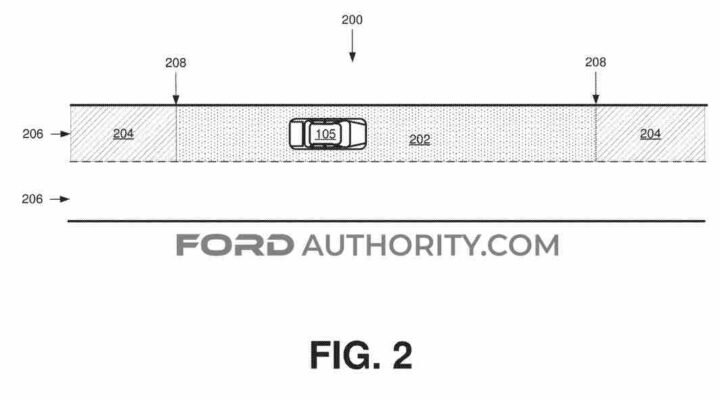
The potential benefits are significant. By reducing guesswork and helping drivers adhere to local regulations, this technology could improve safety, reduce the likelihood of fines, and create a more relaxed driving experience overall. It also aligns with the broader push toward smarter, more connected vehicles that actively assist drivers in real-world conditions.
While this innovation remains in the patent stage, it offers an exciting glimpse into how future Ford vehicles could become even more responsive and intelligent. It is another example of how Ford continues to invest in technology that enhances both safety and convenience for drivers everywhere.