
Ford continues to explore new ways to improve everyday driving, especially in challenging weather conditions. A newly published patent reveals an idea for heated headlamp lenses that could help future Ford vehicles combat condensation, snow, and ice buildup automatically.
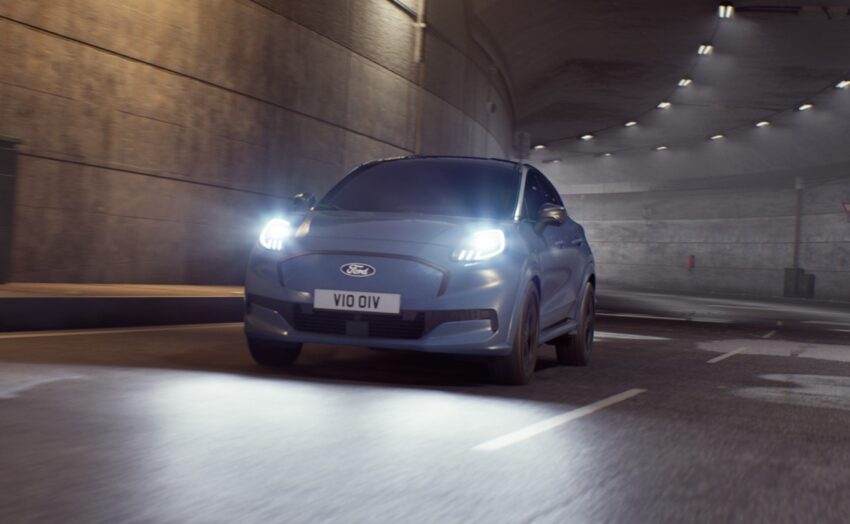
The concept is relatively straightforward but potentially very useful. Ford’s patent proposes integrating heating elements into the outer portions of a vehicle’s headlamp lenses. When weather conditions such as low temperatures, high humidity, snow, or ice are detected, the system could automatically activate to keep the headlamps clear and operating at peak effectiveness.
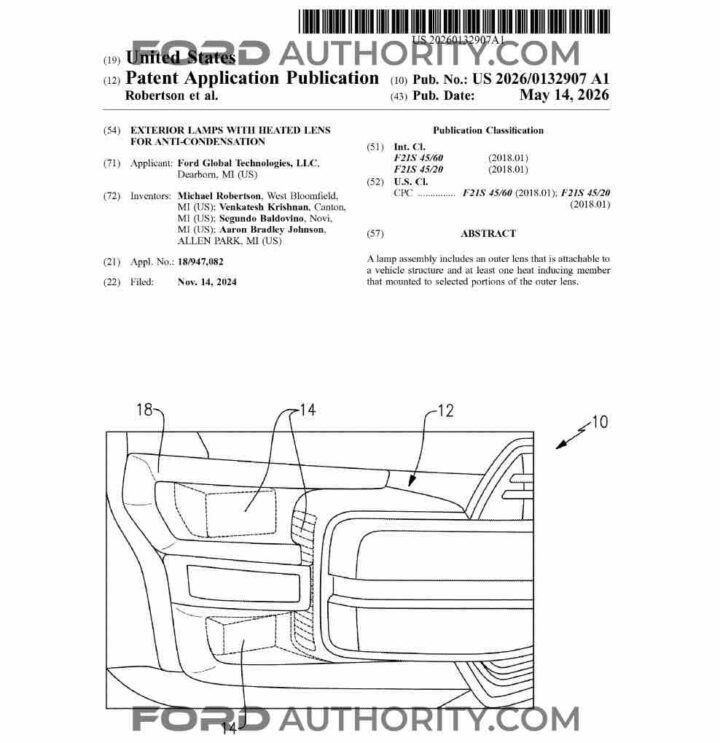
Headlight condensation is a common concern among vehicle owners, particularly as modern LED headlights generate less heat than older halogen designs. Because many headlamp assemblies are vented, moisture can sometimes accumulate inside or on the lens during temperature changes. While this is often considered normal, it can still be frustrating for drivers and may reduce visibility in certain conditions.
Ford’s proposed solution would use vehicle data, including temperature and humidity information, to determine when condensation, snow, or ice is likely to affect the headlamps. Rather than requiring driver intervention, the system could automatically activate the heating elements and help keep the lenses clear.
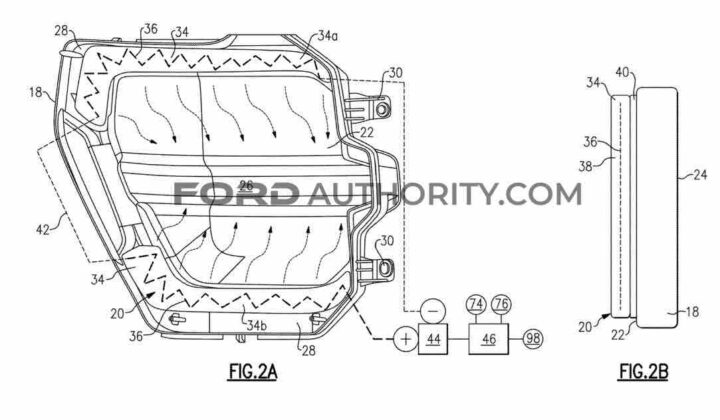
The patent is another example of Ford’s ongoing focus on cold-weather convenience and safety. In recent months, the automaker has explored technologies including heated windshield camera zones, heated side windows, and heated SecuriCode keypads. Together, these concepts demonstrate Ford’s continued efforts to make vehicles more comfortable and capable in all seasons.
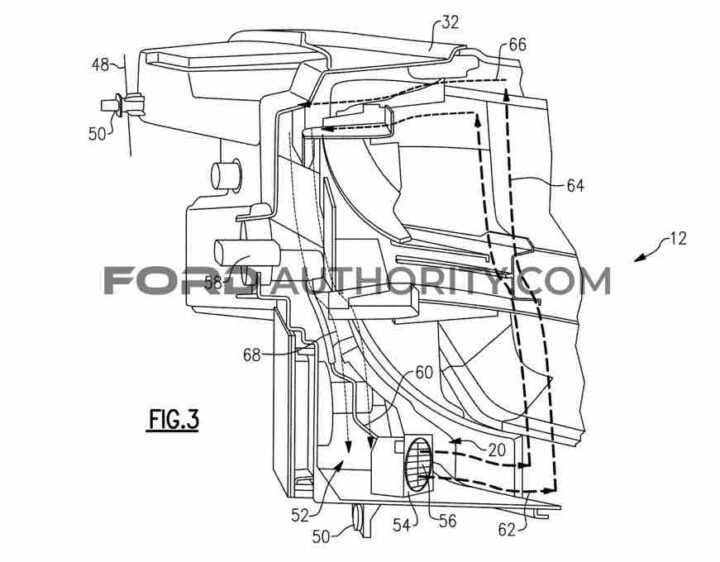
As always, a patent filing does not guarantee future production plans. However, for drivers who frequently encounter rain, snow, frost, or fog, a heated headlamp system is one idea that could offer real-world benefits if it eventually reaches production.