
The next Ford F-150 Lightning is taking a very different approach to electrification, and its target customer should sound familiar to plenty of truck owners here in BC. According to a recent report from Ford Authority (https://fordauthority.com/2026/07/blue-oval-says-next-gen-ford-f-150-lightning-customers-will-be-long-distance-drivers/), Ford is developing the next-generation Lightning specifically with long-distance drivers, frequent towers, job-site professionals, and customers who don’t want to depend on public charging during every extended trip.
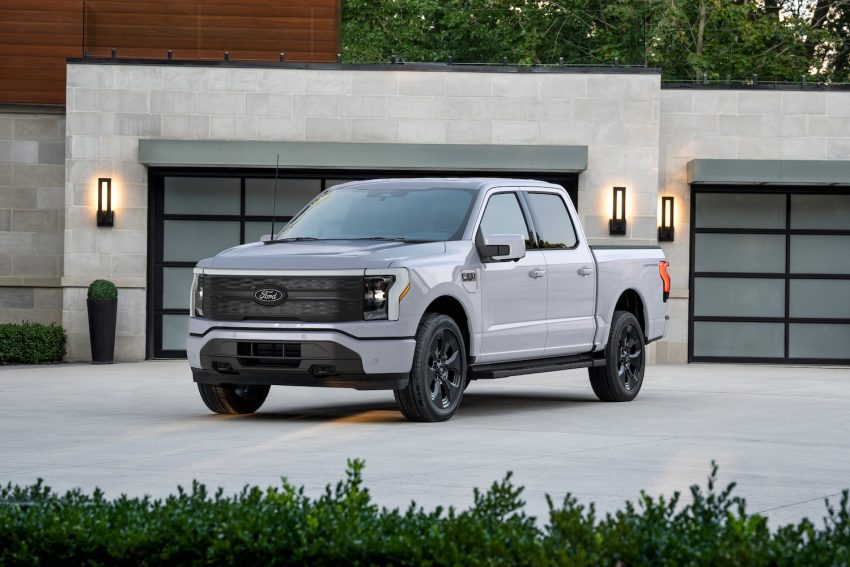
Instead of being a fully battery-electric pickup, the next F-150 Lightning will use an Extended Range Electric Vehicle, or EREV, powertrain. The wheels will still be driven entirely by electric motors, providing the immediate torque, quiet acceleration, and smooth power delivery associated with an EV. The major difference is the addition of an onboard gasoline-powered generator that can produce electricity for the battery when needed.
That combination gives Ford an ambitious target: an estimated total driving range of more than 1,100 kilometres (700 miles). Ford says the system is designed to eliminate the need to stop and charge during long-distance towing. When external charging isn’t practical, drivers can simply refuel the generator and continue their journey, while still benefiting from an electrically driven powertrain.
That’s particularly interesting in BC, where a truck can encounter a very different driving environment than it might during an urban commute. Towing a travel trailer into the Interior, hauling recreational equipment through the mountains, travelling between communities with limited fast-charging infrastructure, or using a truck at a remote job site can all place very different demands on an electrified powertrain. Ford specifically says its future EREVs are aimed at long-distance towers and haulers, job-site professionals needing mobile power, and rural or urban drivers who want an EV driving experience without relying on public chargers.
The next Lightning is also expected to retain one of the current truck’s most useful capabilities: exportable electrical power. Ford says owners will be able to use the truck to provide electricity for everything from jobsites and campsites to a home during an outage. That could make the EREV concept particularly appealing as both a work truck and an adventure vehicle.
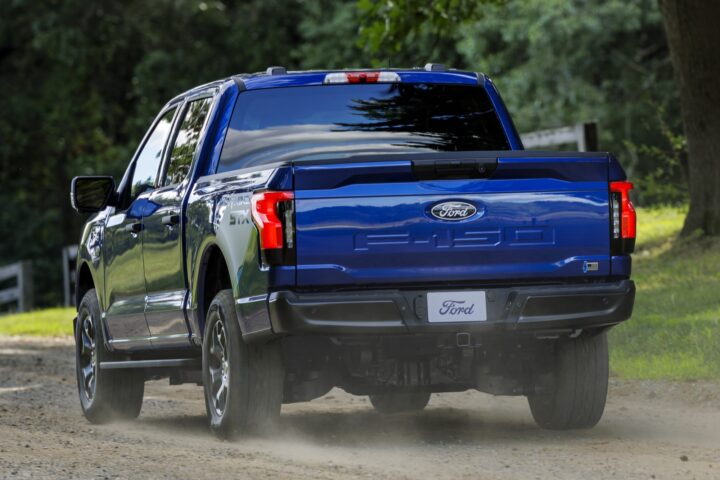
Ford hasn’t announced when the next-generation F-150 Lightning will arrive, and additional specifications will be revealed closer to launch. But its strategy is becoming much clearer. Rather than asking truck owners to adapt their towing, travelling, and working habits around an electric powertrain, Ford is developing an electrified truck around the way those customers already use their F-150s. For drivers covering serious distances across BC, that could make the next Lightning a very compelling proposition.