
Long before a new Ford reaches a showroom, engineers and designers have spent years evaluating everything from its appearance and driving dynamics to how easily it can be assembled. Increasingly, some of that work is happening in a virtual world. As recently reported by Ford Authority (https://fordauthority.com/2026/07/virtual-reality-playing-big-role-in-ford-vehicle-development/), virtual and mixed reality technology is playing a growing role in how Ford develops future vehicles.
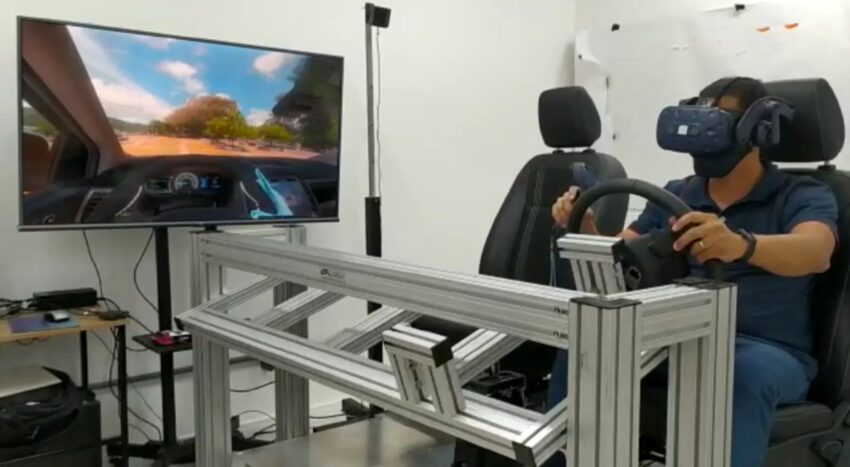
Instead of waiting for a physical prototype to be built, Ford teams can put on a headset and experience a digital vehicle at full scale. Designers can examine proportions and interior layouts, engineers can identify potential issues, and teams in different locations can collaborate around the same virtual model. Ford has been using VR in vehicle design for years, including virtual studios where designers can inspect computer-generated vehicles and make changes before committing to a physical model.
The technology is also becoming an important engineering tool. Ford’s Product Development Simulator allows engineers to evaluate vehicle dynamics virtually before physical parts and prototypes are produced. Techniques originally developed to support Ford’s racing programs have increasingly made their way into road-vehicle development, giving engineers another way to test and refine ideas earlier in the process.
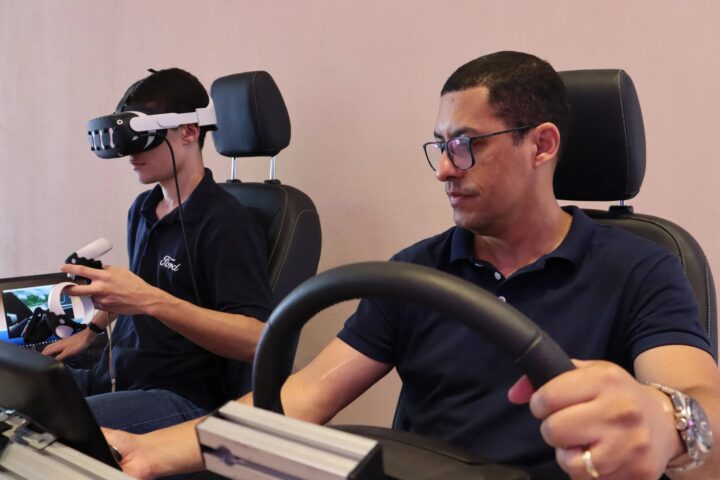
Mixed reality takes the concept even further by combining digital vehicle information with the physical world. Ford designers can use headsets to view virtual components and surfaces alongside real objects, making it easier to compare different designs and collaborate on changes. Ford says these tools are helping teams reduce development time while still retaining traditional techniques such as physical modelling when they’re valuable.
Ford is even applying immersive technology to the factories that will eventually build those vehicles. Digital twins and VR are being used to evaluate plant layouts and material flow before a new vehicle launches. Engineers can identify potential manufacturing problems virtually, make changes earlier, and reduce the risk of expensive rework once production equipment is already in place.
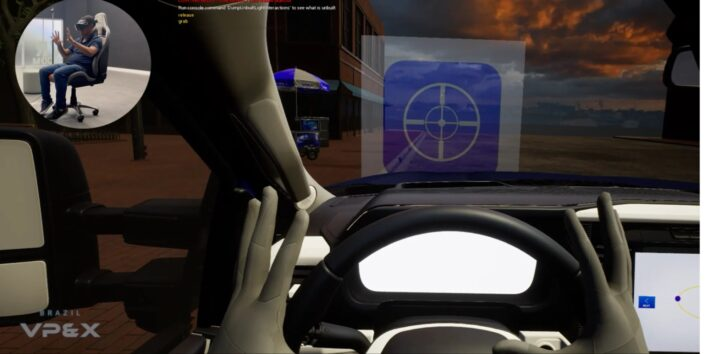
For Ford customers here in BC, most of this technology will remain invisible, but its impact could eventually be felt in the vehicles themselves. Finding design, engineering, ergonomic, and manufacturing issues earlier can help Ford develop vehicles more efficiently and refine them before production begins. Virtual reality might be best known for gaming, but behind the scenes at Ford, it’s becoming another serious tool for building the next generation of cars, trucks, and SUVs.