Ford is continuing to explore ways to make everyday driving safer and more intuitive. A newly published patent reveals a concept that could help future Ford vehicles become smarter about when and how they shift out of Park, potentially reducing driver errors and improving overall convenience.
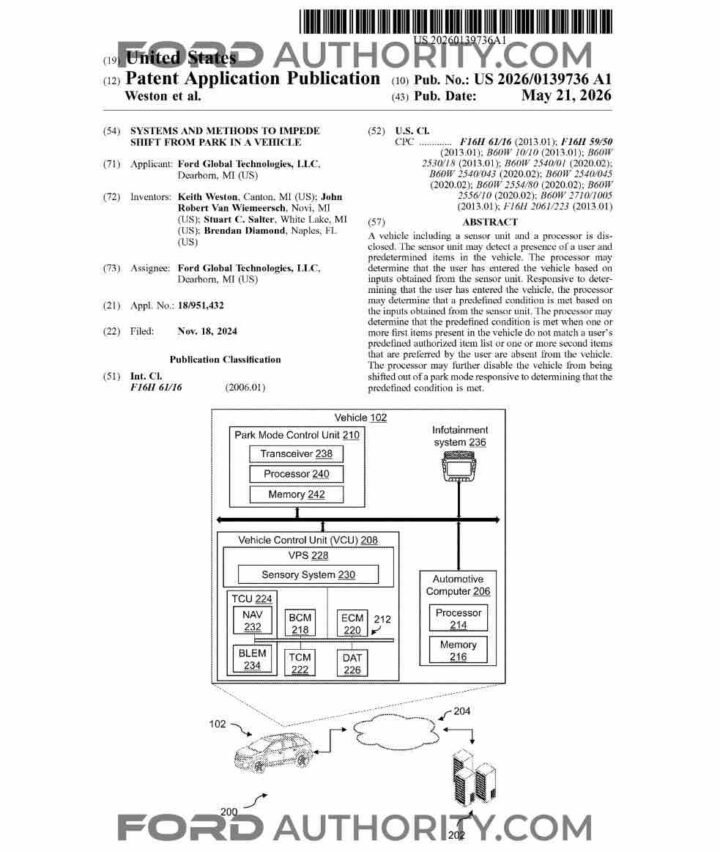
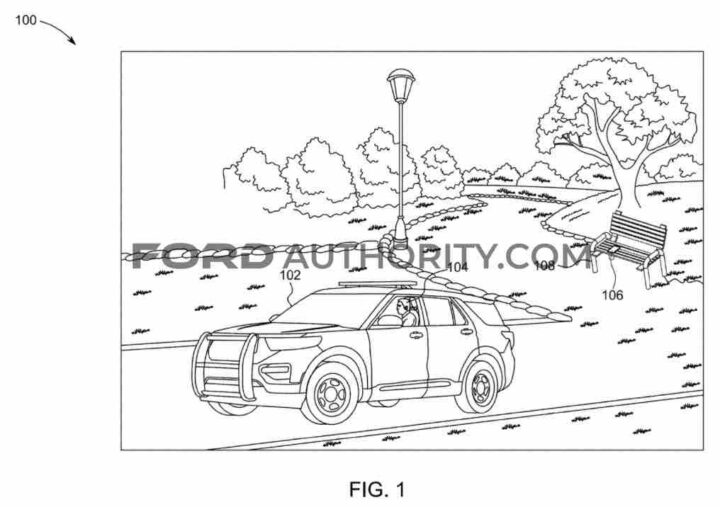
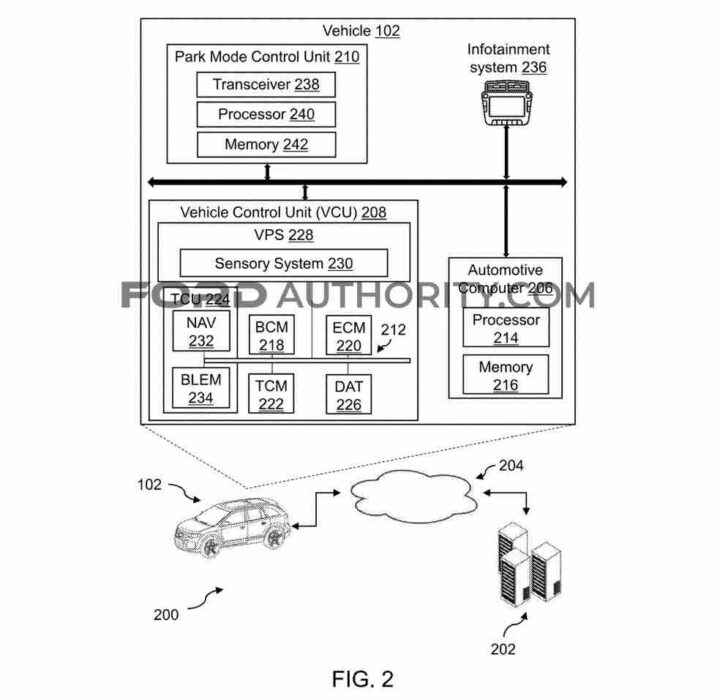
According to the patent, Ford is investigating a system capable of analyzing various vehicle and driver conditions before allowing a vehicle to shift out of Park. Rather than relying solely on traditional inputs, the technology could evaluate factors such as vehicle surroundings, occupant status, and other operating conditions to determine whether shifting into gear is appropriate.
The goal is to help prevent situations where a vehicle is unintentionally moved when conditions are not ideal. For example, the system could potentially recognize if a door is open, an occupant is not properly seated, or another condition exists that may warrant additional driver attention before the vehicle begins moving.
This type of technology fits into a broader trend across the automotive industry, where vehicles are becoming increasingly intelligent and capable of assisting drivers in everyday situations. Modern Ford vehicles already incorporate a variety of safety systems that monitor surroundings, detect potential hazards, and provide alerts or interventions when necessary. This latest patent suggests that even routine actions such as shifting into gear could become more sophisticated in the future.
The concept could be particularly useful as vehicles continue to add advanced driver-assistance systems and connected technologies. By evaluating more information before a vehicle moves, Ford may be able to reduce certain types of incidents while making operation feel more seamless and intuitive for drivers.
As with all patent filings, there is no guarantee that this technology will appear on future production vehicles. However, it highlights Ford’s continued focus on improving safety, convenience, and user experience through innovative technology. For drivers, that could mean future vehicles that are even better at helping prevent simple mistakes before they happen.