
Battery longevity has long been one of the biggest questions surrounding electric vehicles. What happens to an EV after five, eight, or even ten years on the road? New real-world evidence is providing an encouraging answer. As recently reported by Ford Authority (https://fordauthority.com/2026/07/ev-batteries-lasting-far-longer-than-expected/), modern EV batteries are proving considerably more durable than many early predictions suggested.
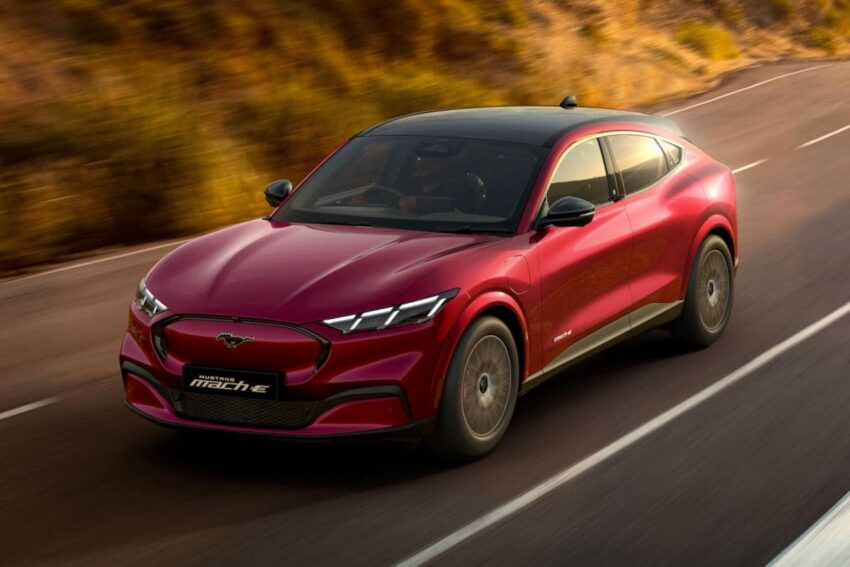
One major dataset comes from battery analytics company Recurrent, which gathers information from tens of thousands of electric vehicles. Its latest findings indicate that the average EV can retain around 95 percent of its original driving range after five years. Perhaps even more encouraging is the declining need for complete battery replacements. Data cited in recent reporting puts the replacement rate for EVs built from 2022 onward at just 0.3 percent.
Another large-scale study looked at 8,000 electric vehicles from 36 different manufacturers, ranging from nearly new models to EVs as old as 12 years. Across the entire group, average battery state of health was 95 percent. Even vehicles between eight and 12 years old showed a median state of health of approximately 85 percent, suggesting substantial useful battery capacity can remain after many years on the road.
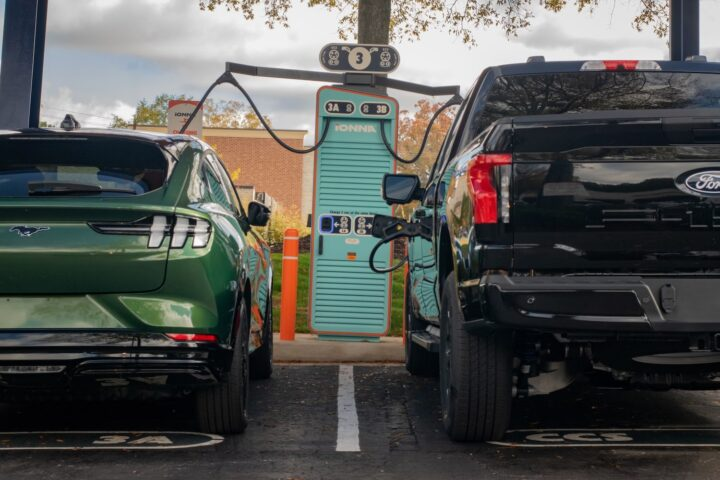
Why are batteries holding up so well? Battery technology has improved considerably as EVs have matured. Advances in battery chemistry, thermal management, and sophisticated battery-management software allow modern vehicles to carefully control cell temperatures, charging, and power delivery. These systems are particularly relevant to Ford EVs such as the Mustang Mach-E and F-150 Lightning, which use active thermal management to help their high-voltage batteries operate within appropriate temperature ranges.
That’s especially encouraging for EV shoppers here in British Columbia. Battery replacement cost is understandably a concern when considering any electric vehicle, particularly for buyers thinking about keeping their vehicle well beyond the initial ownership period. Growing real-world evidence that modern battery packs can retain most of their capacity for years should help put that concern into better perspective. It could also become increasingly important for the used-EV market as more Mustang Mach-E and F-150 Lightning models accumulate significant age and mileage.
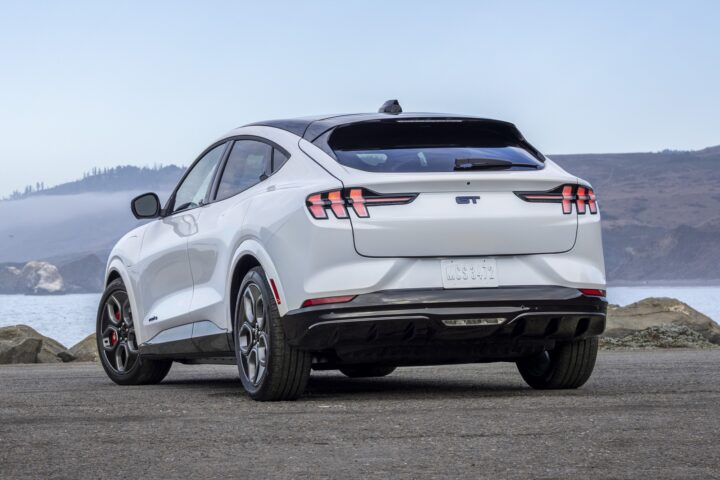
No rechargeable battery lasts forever, and factors including temperature, charging behaviour, and usage can affect degradation. But the growing body of real-world evidence is painting a much more positive picture than some early EV predictions. Rather than routinely becoming an expensive liability after a few years, modern EV batteries increasingly appear capable of remaining useful for a substantial portion of the vehicle’s life.