
As vehicle displays become larger and more capable, we’re increasingly using them for much more than changing the radio station. That can create an unexpected privacy problem when someone outside the vehicle can see what’s on the screen. According to a recent report from Ford Authority (https://fordauthority.com/2026/08/future-ford-vehicles-may-adjust-screens-if-outsiders-get-too-curious/), Ford has patented technology that could automatically protect sensitive information when it detects someone looking into the cabin.
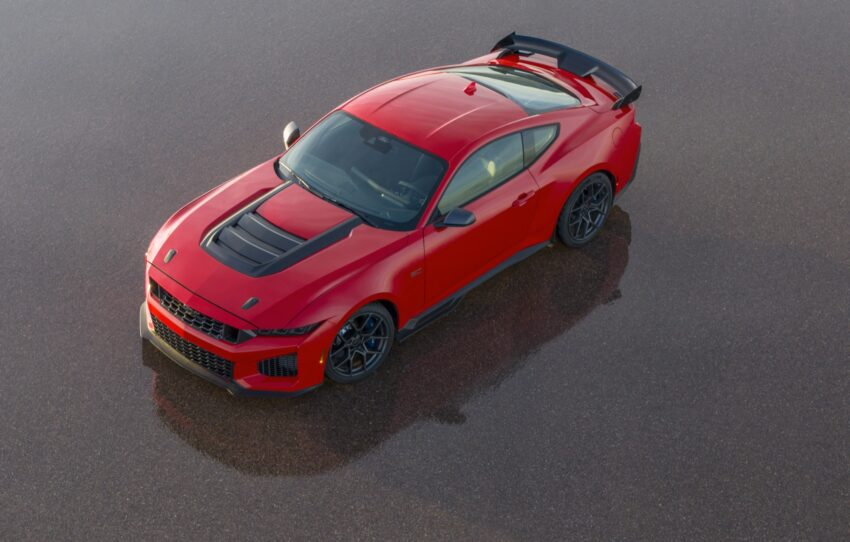
The patent describes a vehicle display screen adjustment system that would use exterior cameras and sensors to monitor the area surrounding the vehicle. If the system detects someone nearby while potentially sensitive information is being displayed inside, it could warn the vehicle’s occupant that another person may be able to see the screen.
Ford’s concept could go a step further than simply issuing a warning. The system could automatically blur sensitive information on the display, preventing someone outside the vehicle from easily reading it. That could be useful when a screen contains information such as passwords, account details, personal messages, or other data an occupant would rather keep private.
It’s an interesting consideration as vehicles become increasingly connected. Today’s infotainment systems can interact with smartphones, navigation services, digital assistants, apps, and online accounts, giving drivers access to an expanding amount of information from inside their vehicles. At the same time, larger displays can make that information easier for someone standing outside to see. Ford’s proposed technology would essentially give those screens an intelligent privacy layer.
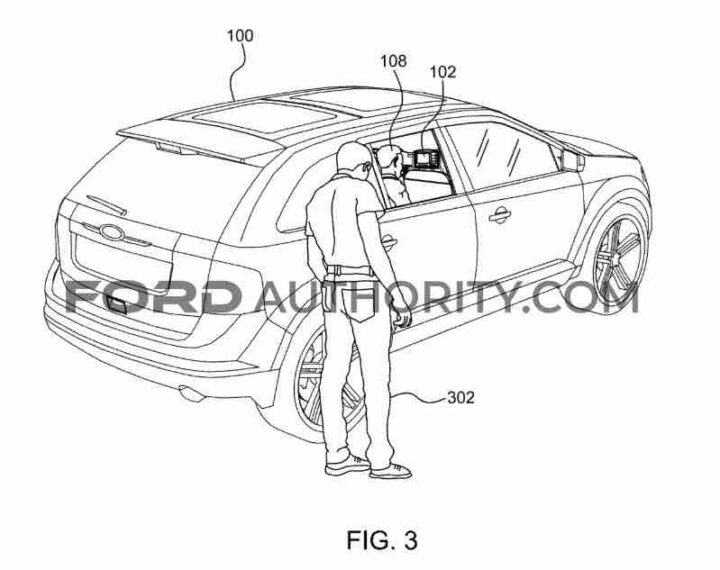
The idea also demonstrates how the cameras and sensors already appearing throughout modern vehicles could eventually serve purposes beyond driving and parking. Ford has explored several concepts that would use vehicle cameras in new ways, including detecting hidden objects and communicating with nearby people about when recording is taking place. Using those same technologies to determine when someone might be looking at private information is another potential application.
As with all Ford patents, there’s no guarantee this technology will appear in a future production vehicle. Ford routinely files patents to protect new ideas, and the company cautions that individual applications shouldn’t be viewed as confirmation of future product plans. Still, as our vehicles become increasingly digital, protecting what’s happening inside the cabin may become just as important as protecting the vehicle itself.