
Today’s vehicles already contain an impressive amount of computing power, but Ford is exploring a decidedly different way to put that technology to work. According to a recent report from Ford Authority (https://fordauthority.com/2026/07/future-ford-vehicles-could-become-edge-servers-for-other-people/), a newly published Ford patent outlines a system that could allow future vehicles to function as mobile “edge servers,” providing computing and network resources to nearby devices.
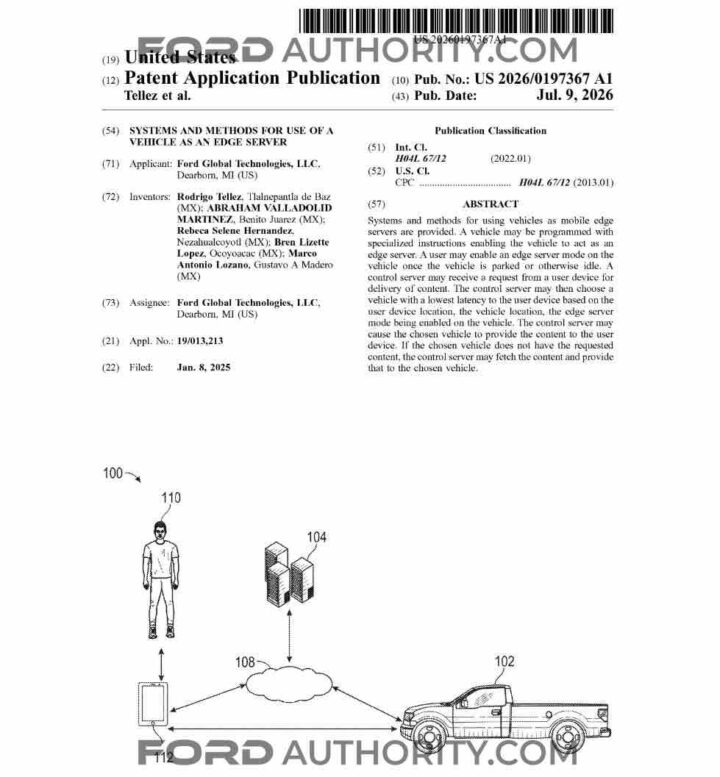
An edge server essentially brings digital content and computing resources closer to the person or device requesting them. Rather than sending every request to a distant data centre and waiting for the response, processing can happen locally. That can reduce latency and potentially improve response times, which becomes increasingly important as vehicles, smartphones, smart infrastructure, and other connected devices exchange larger amounts of data.
Ford’s proposed system takes that concept and puts it on wheels. A vehicle could enter a special mode that allows its onboard computing hardware to act as an edge server for nearby users. If several participating vehicles were available in the same area, the system could even determine which vehicle offered the lowest latency and connect the user’s device accordingly.
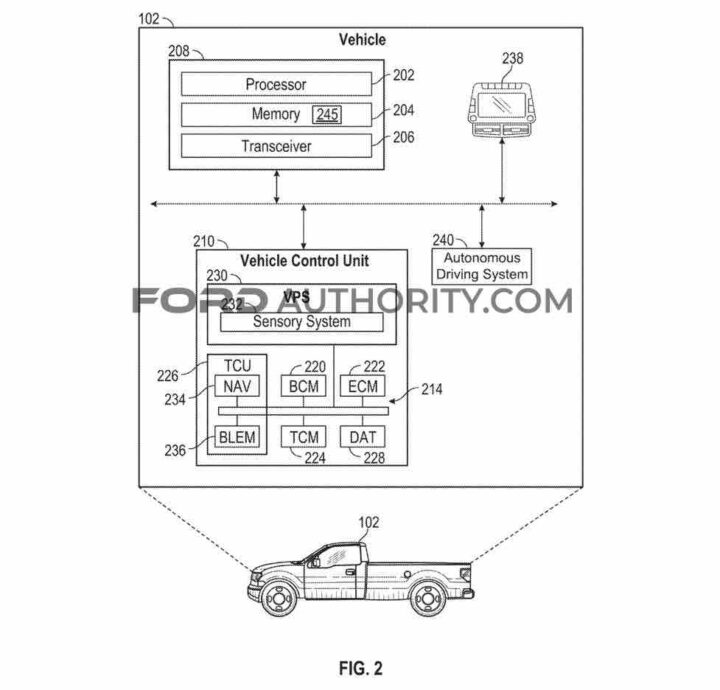
It’s an intriguing example of how the role of a vehicle could expand as automotive technology becomes more sophisticated. Modern Fords already rely heavily on connectivity, software, sensors, and powerful onboard computers. In the future, that hardware could potentially provide useful services even when a vehicle isn’t being driven, turning parked vehicles into part of a larger distributed computing network.
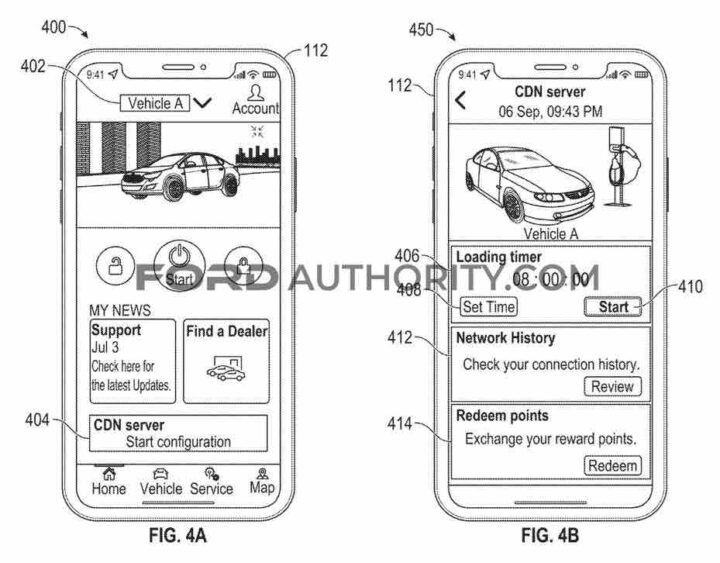
There are plenty of questions that would need to be addressed before such a system became practical, including privacy, security, connectivity, energy consumption, and how owners might benefit from sharing their vehicle’s resources. Ford’s patent describes the edge server functionality as a mode that users could activate when desired, suggesting that participation could be something an owner chooses rather than a function that’s constantly running.
As with any Ford patent, this filing isn’t confirmation that the technology is destined for a production vehicle. Ford regularly patents ideas as part of protecting its intellectual property, and many never reach the showroom. Still, the concept offers an interesting glimpse at how Ford is thinking beyond traditional vehicle features. As cars and trucks become increasingly software-defined and connected, your future Ford may ultimately be capable of doing quite a bit more than transporting you from one place to another.