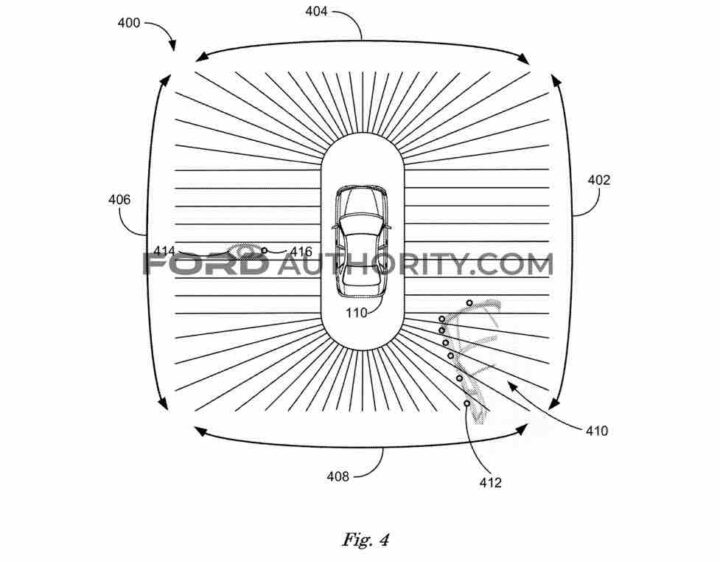
Ford is continuing to explore creative ways to use advanced autonomous technology, and its latest patent filing introduces a feature that could help parked vehicles avoid damage before it even happens. The newly published concept outlines a moving object detection system that may allow future Ford vehicles to automatically reposition themselves when danger is detected nearby.
The idea centers around protecting stationary vehicles from common parking lot hazards such as runaway shopping carts, careless drivers, or other moving objects. Using sensors and detection systems, the vehicle would monitor its surroundings while parked and evaluate whether an approaching object poses a potential threat.
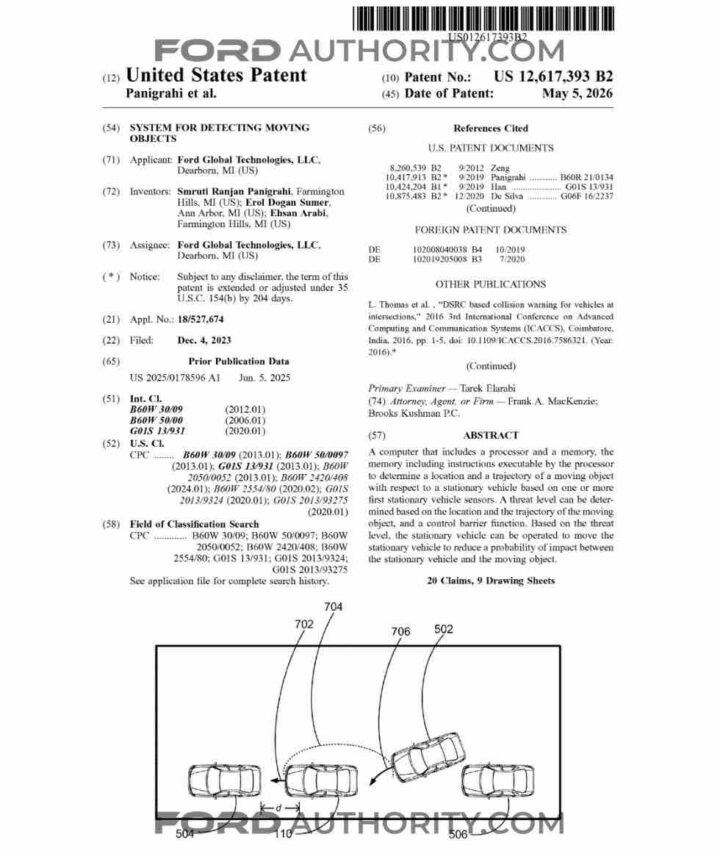
If the system determines that a collision is likely, the vehicle could automatically move itself out of harm’s way. While the concept sounds futuristic, it builds upon technology already found in many modern vehicles, including parking sensors, cameras, automated parking systems, and advanced driver assistance features.
Ford has been increasingly active in filing patents related to autonomous and self-positioning vehicle technology. Previous concepts have included systems that could automatically reposition a vehicle to access a front trunk more easily, along with various driver assistance and collision mitigation technologies. This latest filing shows Ford continuing to think creatively about how automation could make vehicle ownership more convenient and less stressful.
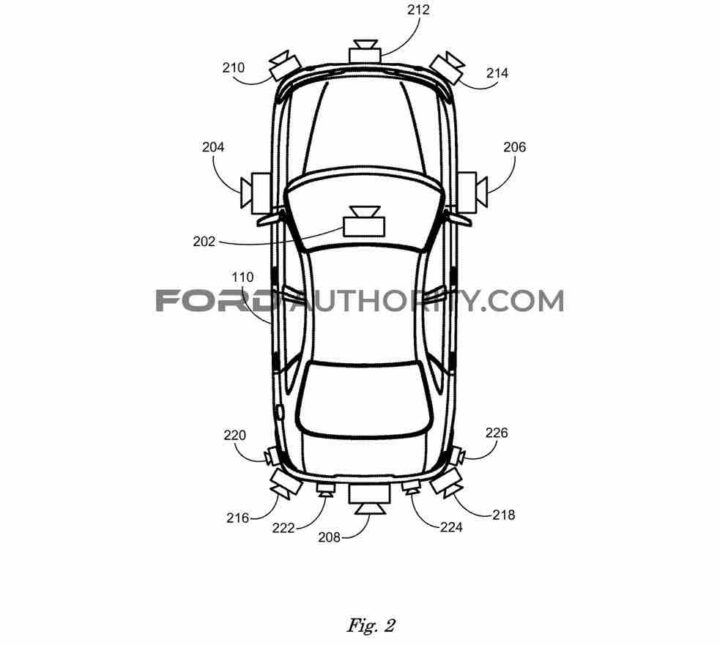
Parking lot damage remains one of the most frustrating experiences for vehicle owners, especially when dents, scratches, or impacts happen while a vehicle is unattended. A system capable of detecting and avoiding those situations could potentially save owners time, money, and headaches in the future.
While there’s no guarantee this technology will ever reach production, it offers another fascinating glimpse into how Ford is exploring next-generation autonomous systems. As vehicles become increasingly intelligent and connected, features like this could eventually become part of everyday driving and ownership experiences.