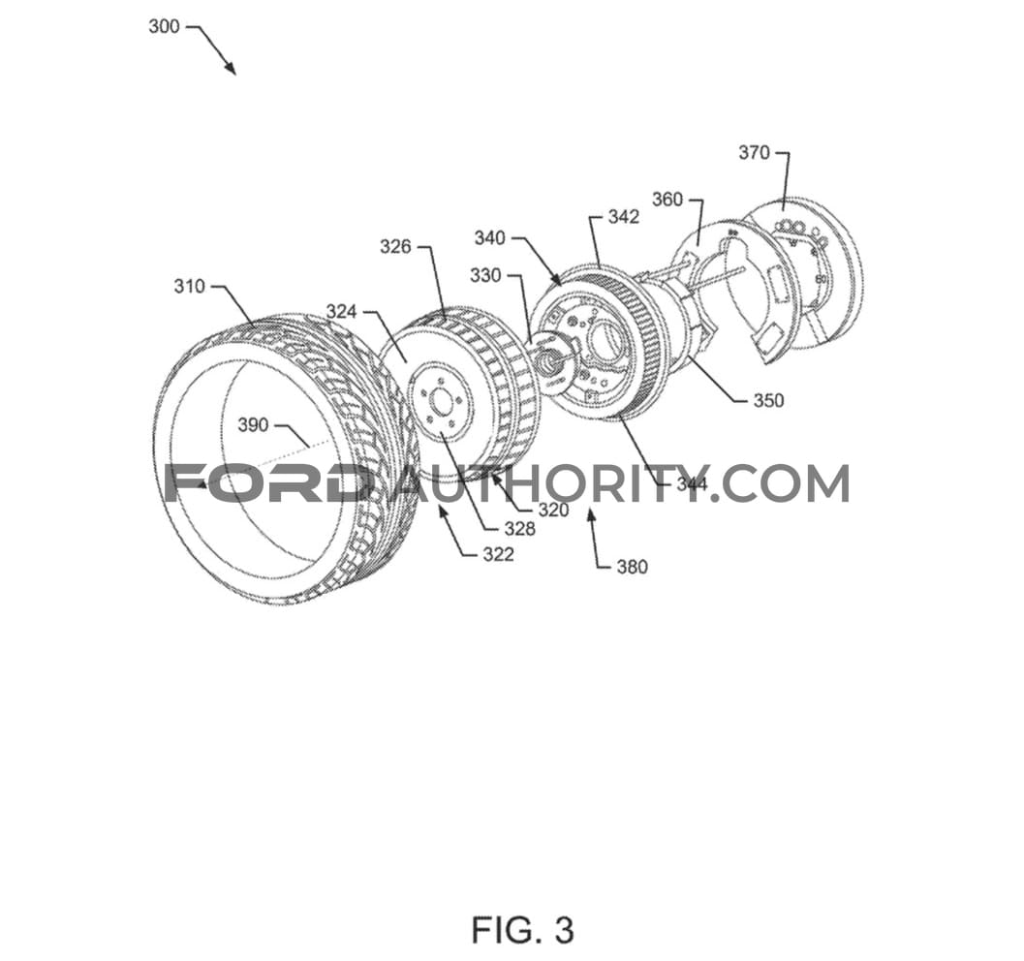
Ford continues to explore unconventional approaches to electric vehicle engineering, and its latest patent filing offers another glimpse into how future EVs could be designed differently from today’s models. The automaker has filed a patent for a combined motor rotor and wheel rim assembly, a concept that could one day appear in future Ford electric vehicles.
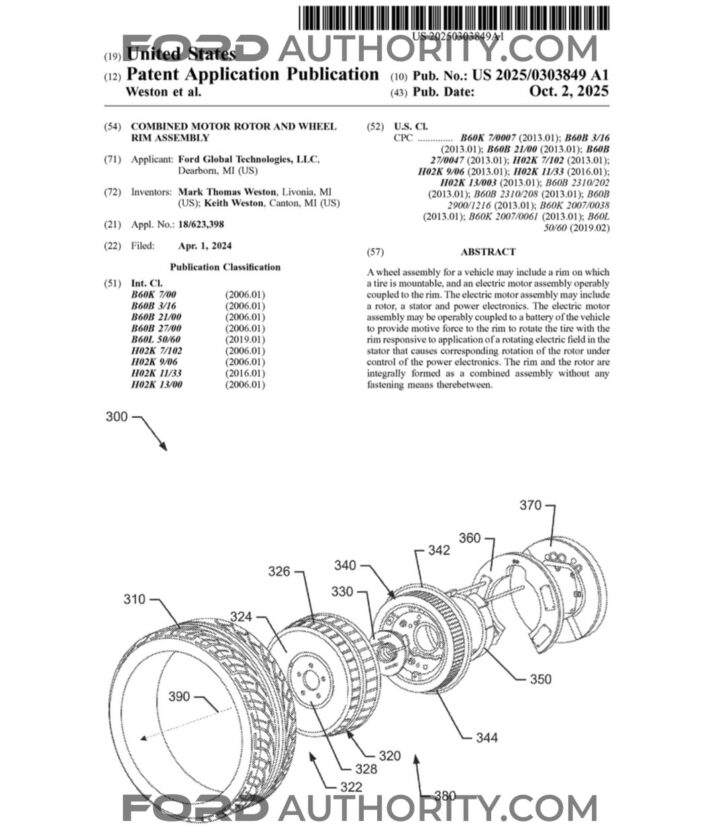
Filed on April 1, 2024, and published on October 2, 2025, the patent describes a system where an electric motor assembly is directly integrated with the wheel rim itself. Rather than relying on traditional driveline components, this design would allow each wheel to be powered individually by its own motor assembly.
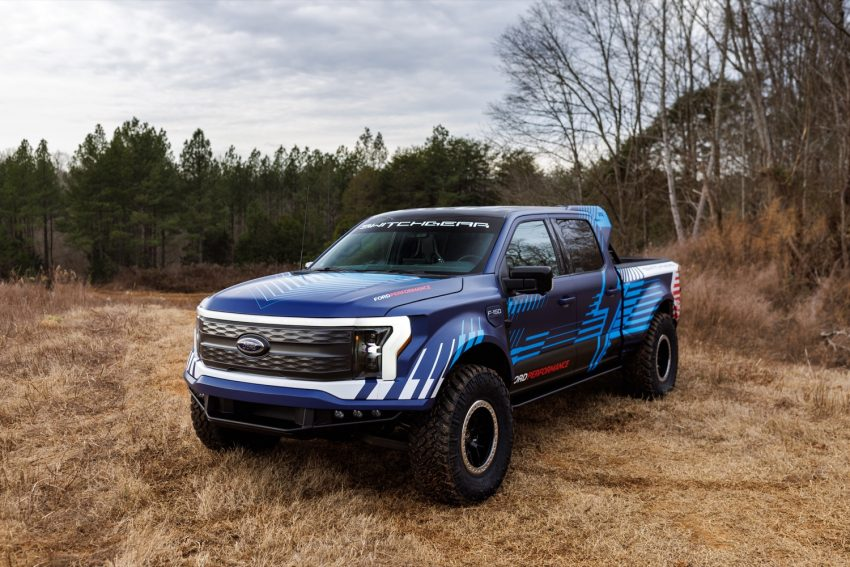
Ford has explored similar ideas before. In early 2023, the company published a patent outlining an EV axle with hub-mounted motors, where each wheel is powered independently. This new concept builds on that thinking by further integrating the motor and wheel into a single unit, eliminating the need for separate fasteners and components.
One of the main goals behind this approach is to reduce unsprung weight, which refers to the mass of vehicle components not supported by the suspension. Lower unsprung weight can improve ride quality, handling, and responsiveness, especially in performance-focused or off-road-capable vehicles.
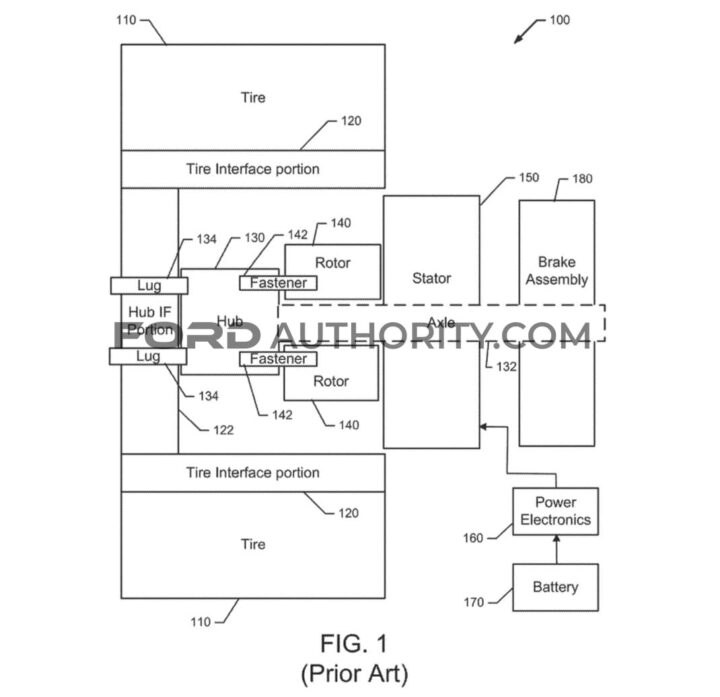
While hub motors are not new to the automotive world, most existing designs use motors mounted inside the hub that then transfer rotational force to the wheel. Ford’s concept goes a step further by making the motor’s rotor itself part of the wheel rim, allowing rotational energy to translate more directly into vehicle motion where the tire meets the road.
As with all patent filings, Ford notes that this idea is exploratory and not a guarantee of production intent. Still, it reflects the company’s continued investment in creative EV architectures that could improve efficiency, performance, and design flexibility in the years ahead.