
Unwanted vehicle noise is becoming a bigger concern in modern cities, especially as traffic density increases and more people live close to major roadways. One common source of irritation is brake noise, particularly the squealing or grinding sounds that can occur during low-speed or stop-and-go driving. A newly published patent suggests Ford is looking at ways to address that issue in future vehicles.
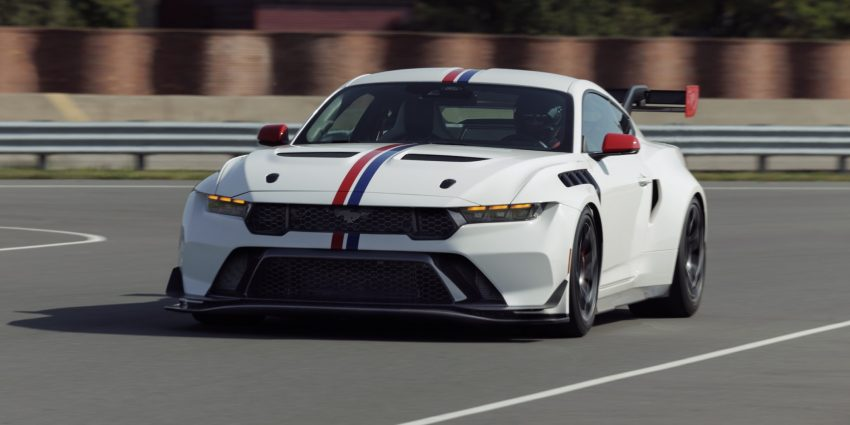
According to the filing, Ford Motor Company is exploring an adaptive noise cancellation system specifically designed for vehicle braking. Rather than relying on traditional fixes like brake material changes alone, this system would actively monitor braking conditions and adjust brake force distribution to reduce or eliminate noise before it becomes noticeable.
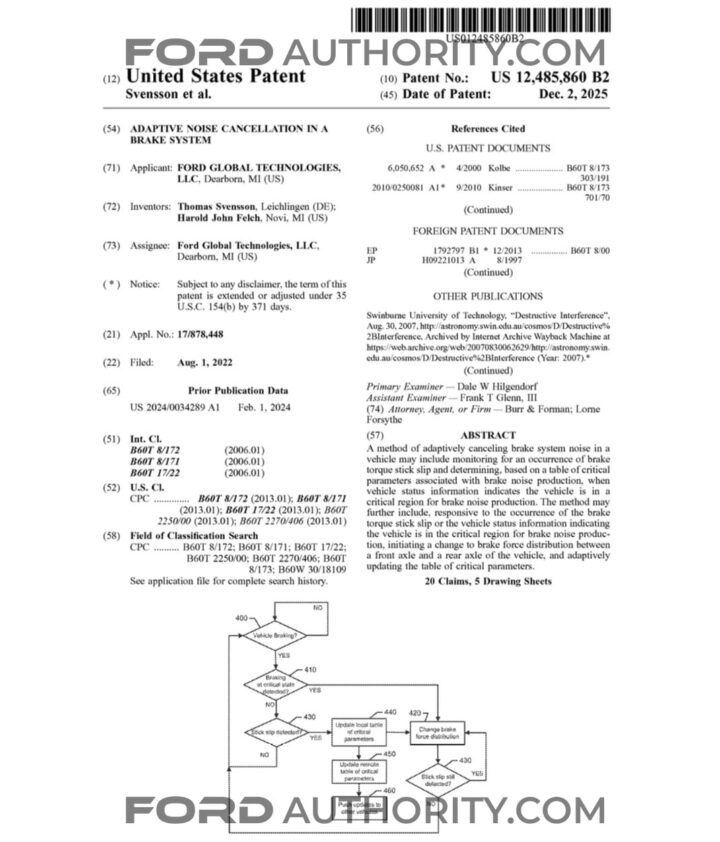
The proposed technology focuses on detecting brake torque stick-slip, a common cause of brake squeal. If the system senses that this condition is about to occur, it could redistribute braking force between the front and rear axles to smooth out the braking event. In some cases, those adjustments could even be applied more permanently if the system determines that a long-term correction is needed.
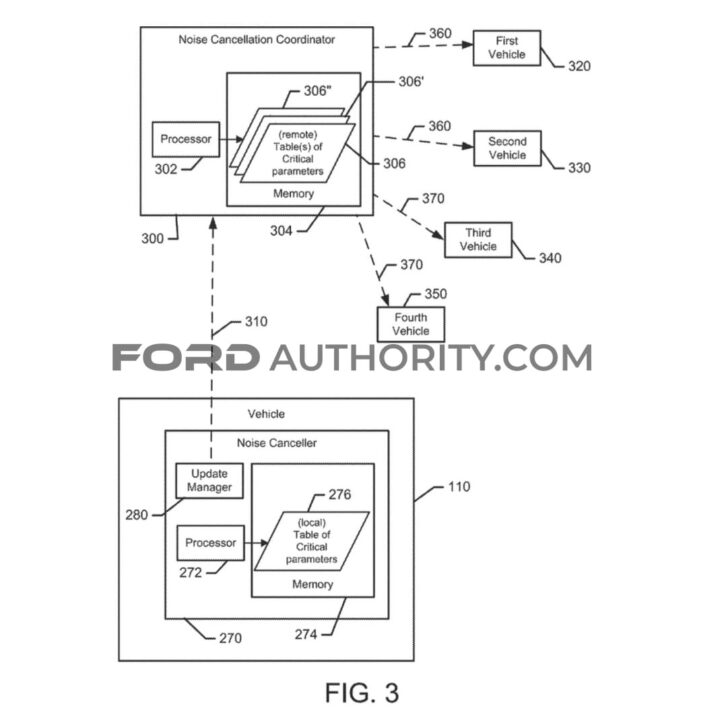
This approach could be especially beneficial in urban environments, where frequent braking at lower speeds makes noise issues more noticeable. For drivers, it could mean a quieter, more refined driving experience. For pedestrians and residents, it could help reduce overall traffic noise in busy areas.
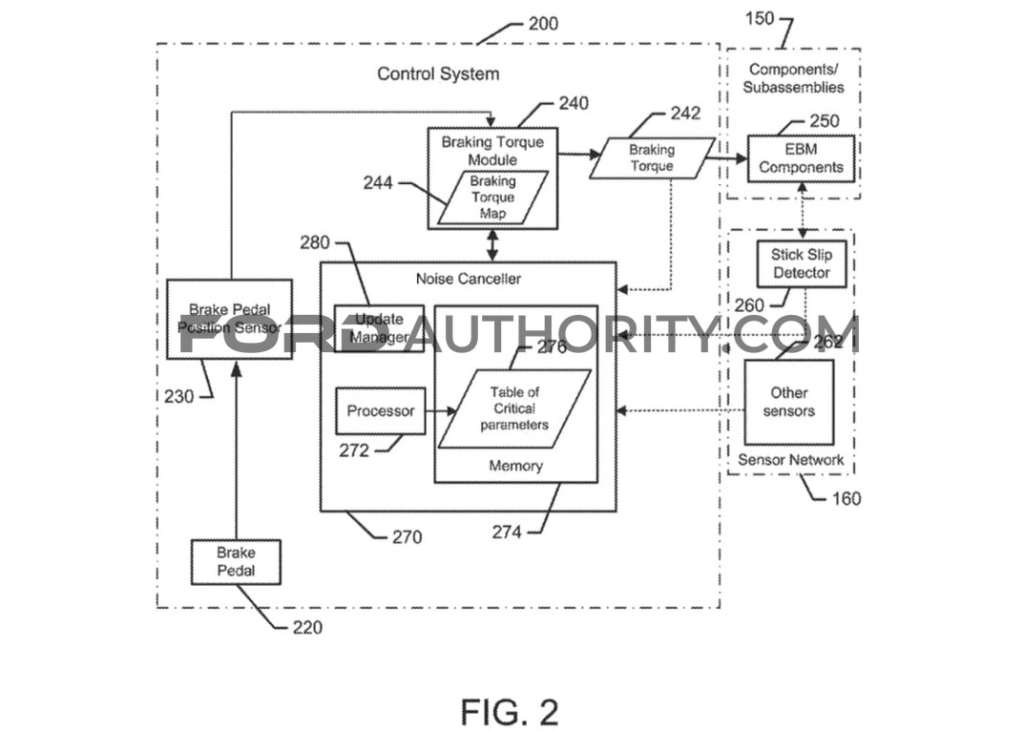
As with all patent filings, this technology is not guaranteed to make it into production vehicles. However, it does show that Ford continues to think beyond performance and efficiency, placing increasing emphasis on comfort, livability, and noise reduction. If systems like this do reach the road, they could make everyday driving just a little calmer for everyone.