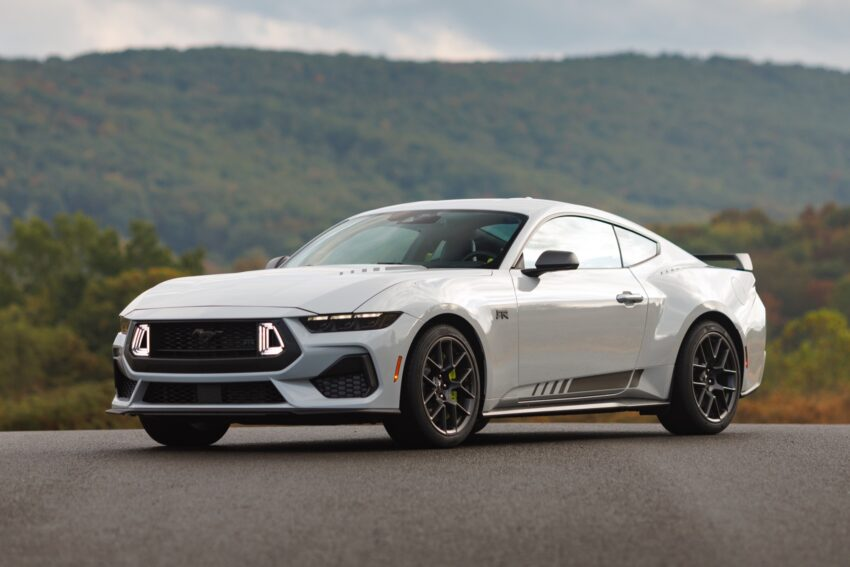
Ford shared a story passed down from his father about the Mustang’s earliest days, when a bold design concept had been quietly shelved before being rediscovered and brought back into the spotlight. That once-forgotten prototype ultimately became one of the most recognizable cars in the world, proving that the Mustang’s success has always come from taking risks and trusting emotion as much as logic.
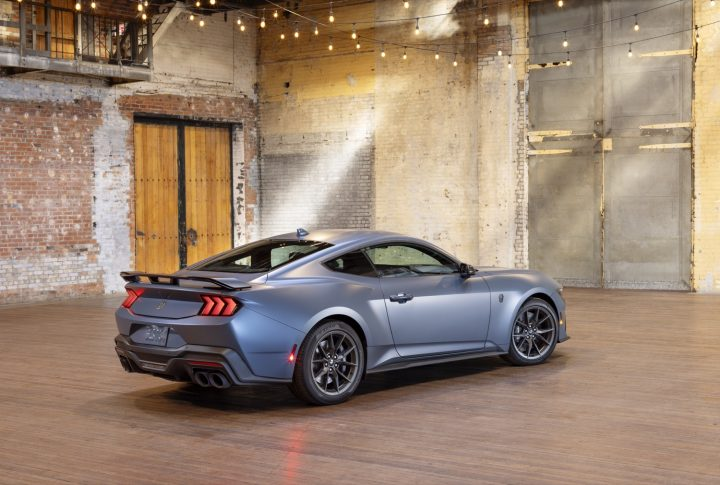
Since its launch, the Mustang has grown into a global phenomenon. More than 10 million have been sold worldwide, with devoted fan communities forming in regions where the car was not even officially available. Ford recalled witnessing that enthusiasm firsthand during the sixth-generation Mustang launch in the Middle East, where fans proudly wore Mustang gear and celebrated a car that symbolized freedom far beyond American roads.
Ford emphasized that the Mustang has never been just another model in the lineup. To him, it represents optimism, independence, and the emotional connection people form with cars that inspire them. That mindset, he says, places a responsibility on Ford to ensure the Mustang continues to resonate with future generations, just as it has for the past 60 years.
That philosophy also explains why Ford has taken a creative approach to keeping the Mustang relevant in a changing automotive landscape. Vehicles like the Mustang Mach-E help address modern efficiency and emissions demands, allowing the traditional V8-powered coupe to continue existing alongside new interpretations of the nameplate. Ford CEO Jim Farley has even stated that a fully electric Mustang coupe is unlikely, reinforcing Ford’s intent to protect the core identity of the pony car.
As regulations evolve and buyer preferences shift, the Mustang’s survival is no longer guaranteed by nostalgia alone. But with leadership that views the car as a cultural icon rather than a disposable product, the Mustang’s future looks anchored in the same spirit that brought it out of a design closet and into history.