
Ford is setting a clear target for the durability of its engines and powertrains: at least 15 years or 225,000 miles, equivalent to roughly 362,000 kilometres. The goal is part of Ford’s broader effort to improve vehicle quality by changing not only how components are engineered, but how they’re tested before reaching customers.
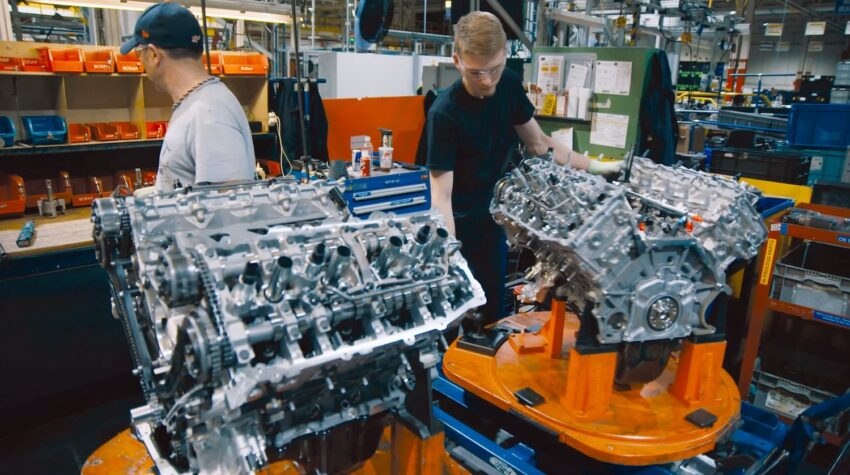
According to a recent Ford Authority report, Ford VP of Vehicle Hardware Engineering Charles Poon says the company aims to design its powertrains for consistent, reliable operation throughout that entire period. Ford ultimately wants every engine it sells to meet that durability target.
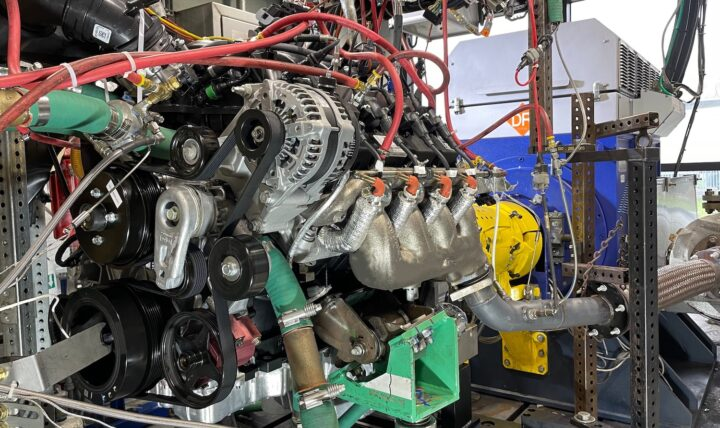
Getting there involves some seriously demanding testing. Ford subjects engines to conditions including extreme heat, repeated start-stop cycles and wide-open-throttle operation, deliberately pushing them beyond the kind of treatment most owners would ever subject their vehicles to.
Ford has also changed what happens when something fails during testing. Rather than simply running an engine until a component breaks and ending the test, engineers replace the failed part and keep going. If another weakness appears, they can address that one and continue again. Engines are also torn down regularly so engineers can inspect components and identify potential weak points. The idea is to uncover multiple potential failure modes instead of stopping after discovering the first one.
That approach reflects Ford’s wider push to improve long-term quality. Poon emphasized that powertrain reliability is particularly important because customers tend to associate it directly with the overall quality of their vehicle. After all, regardless of how much technology or how many features a vehicle offers, its most fundamental job is getting you where you need to go reliably.
For owners who plan to keep their vehicles for the long haul, a 15-year and 225,000-mile engineering target is an encouraging benchmark. It isn’t a guarantee that every powertrain will reach a particular age or mileage, since maintenance, operating conditions and usage all matter. Instead, it gives us a useful look at the durability standard Ford’s engineers are working toward as the company continues its focus on improving vehicle quality.