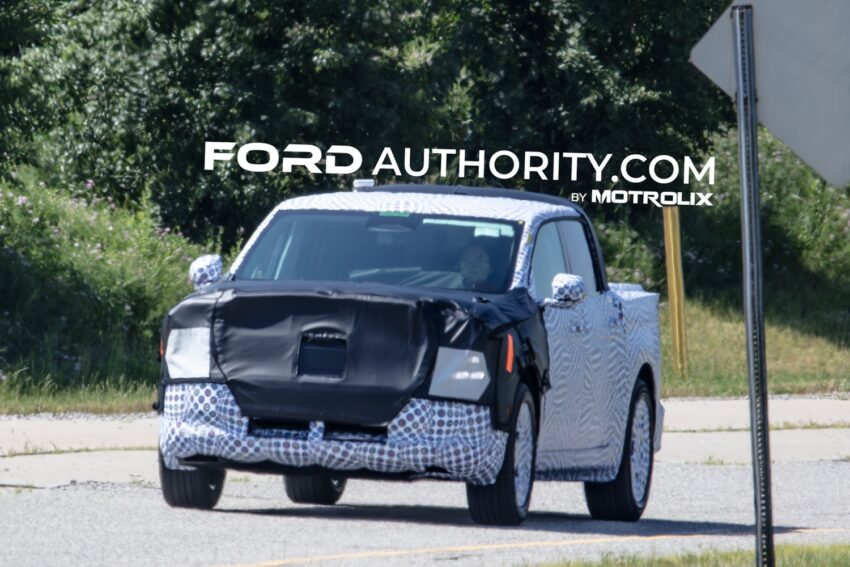
Ford’s upcoming Fathom electric pickup is being developed around the idea of making EV ownership more affordable, and that philosophy will extend beyond the truck itself. According to a recent report from Ford Authority (https://fordauthority.com/2026/08/ford-fathom-electric-pickup-will-offer-no-cost-navigation-features/), Fathom owners will get built-in Apple Maps navigation without needing to pay an ongoing subscription for the core navigation experience.
The Fathom will be the first production vehicle built on Ford’s new Universal Electric Vehicle Platform, and Apple Maps will be integrated directly into the vehicle using Apple’s MapKit for Automotive technology. Unlike simply running Apple Maps from an iPhone through CarPlay, the system will be part of the truck’s native interface and displayed directly on its in-vehicle screens. Ford says the integration is coming to its UEV Platform in 2027.

Drivers will have access to familiar navigation features including turn-by-turn directions, real-time traffic and incident information, detailed destination searches, and routing options. More importantly for an electric vehicle, the system will incorporate intelligent EV routing. It can account for the truck’s charging needs when planning a journey and support battery preconditioning, helping prepare the battery for faster charging before arriving at a compatible station.
The decision to include core navigation without an ongoing fee is particularly interesting given the industry’s increasing reliance on connected-service subscriptions. Ford already offers a Connectivity Package on several current vehicles that combines features such as connected navigation, unlimited vehicle Wi-Fi, streaming entertainment, and voice assistants. With Fathom, however, Ford is drawing a distinction between essential vehicle functionality and optional connected extras.
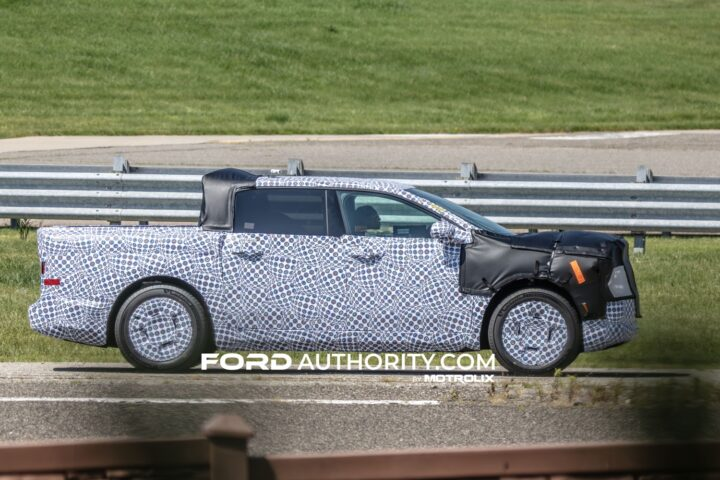
That fits neatly with Ford’s broader philosophy for its new generation of affordable vehicles. The company has said that useful technology shouldn’t automatically be reserved for expensive luxury models, and that features should deliver meaningful utility to everyday customers. Making capable navigation a core part of the Fathom experience rather than another recurring expense is a good example of that approach.
For future Fathom drivers here in BC, built-in EV navigation could be especially valuable. Longer trips through the province can require more planning than commuting around the Lower Mainland, particularly when charging infrastructure becomes less dense. Having the truck itself understand its battery, charging requirements, and route could make those journeys considerably easier. And knowing that the essential navigation functionality won’t require another monthly subscription makes the upcoming electric pickup that much more interesting.