
What if your vehicle could recognize that a component was beginning to wear out before it actually caused a problem? That’s the idea behind an interesting new Ford patent. According to a recent report from Ford Authority (https://fordauthority.com/2026/07/future-ford-vehicles-could-predict-when-they-need-to-be-repaired/), Ford is exploring predictive maintenance technology that could use vehicle data to estimate when individual components are likely to require attention.

The patent describes a system capable of collecting information from vehicle sensors and using that data to determine the condition of different components. Rather than relying solely on fixed maintenance intervals or waiting for a warning light to appear, the technology could potentially identify patterns that indicate a part is deteriorating and predict when maintenance or replacement may be necessary. (fordauthority.com)
That could represent a significant change in the way vehicle maintenance is approached. Traditional maintenance schedules are generally based on time or kilometres driven, while unexpected repairs often begin with the driver noticing a warning light, unusual sound, vibration, or change in vehicle behaviour. A predictive system could potentially give owners more advance notice, allowing them to schedule service at a convenient time rather than waiting for a component to fail.
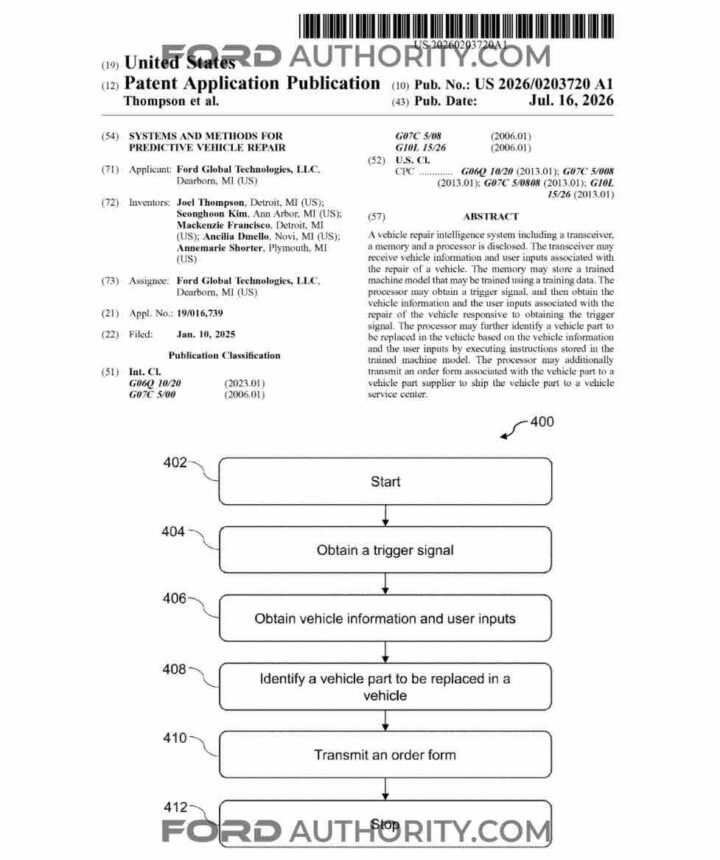
The concept could be particularly useful for Ford Pro customers and commercial fleets. Unexpected downtime can be expensive when a truck or van is an essential part of a business. If a future F-150, Super Duty, Transit, or other commercial vehicle could identify a developing issue early enough to schedule maintenance before it interrupts the workday, predictive technology could help businesses keep their vehicles on the road and plan repairs more efficiently.
There could be advantages for everyday drivers here in BC, too. Whether you’re commuting around the Lower Mainland, heading into the Interior, or setting out on a longer road trip, knowing about a developing mechanical issue before leaving home could provide valuable peace of mind. Connected diagnostics could also potentially give technicians more useful information before a vehicle even arrives at the dealership, helping streamline the service process.
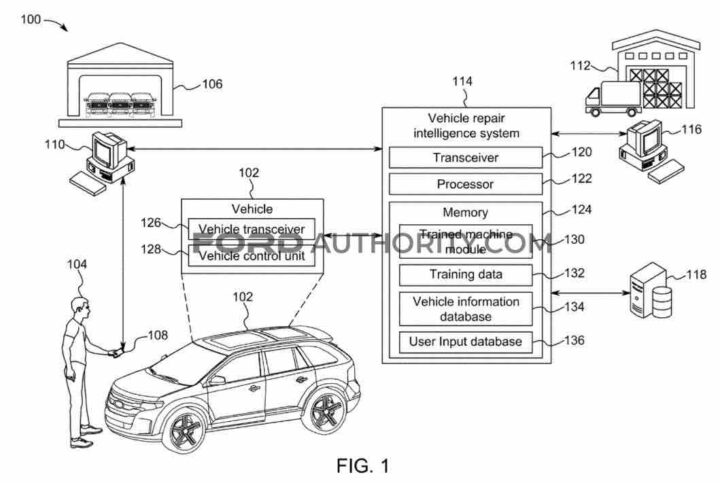
As with any Ford patent, this filing doesn’t mean predictive repair technology is confirmed for an upcoming production vehicle. Ford regularly patents new ideas to protect its intellectual property, and not every concept ultimately reaches customers. Still, the direction is compelling. Today’s vehicles already monitor an enormous amount of information about their own operation. Using that data to help predict problems before they become breakdowns could be one of the most genuinely useful applications of increasingly intelligent vehicle technology. (fordauthority.com)