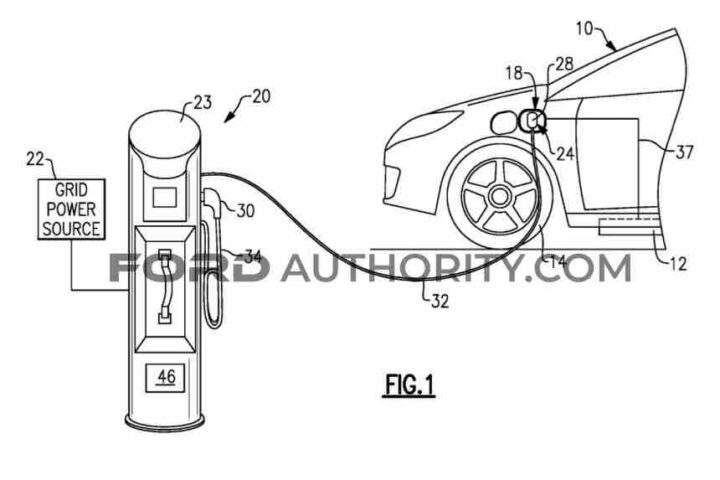
As electric vehicles continue to become more common, Ford is exploring new ways to improve long-term reliability and ownership convenience. A newly published patent reveals an idea that could allow future Ford EVs to automatically monitor their charging ports for wear and potential issues before they become serious problems.
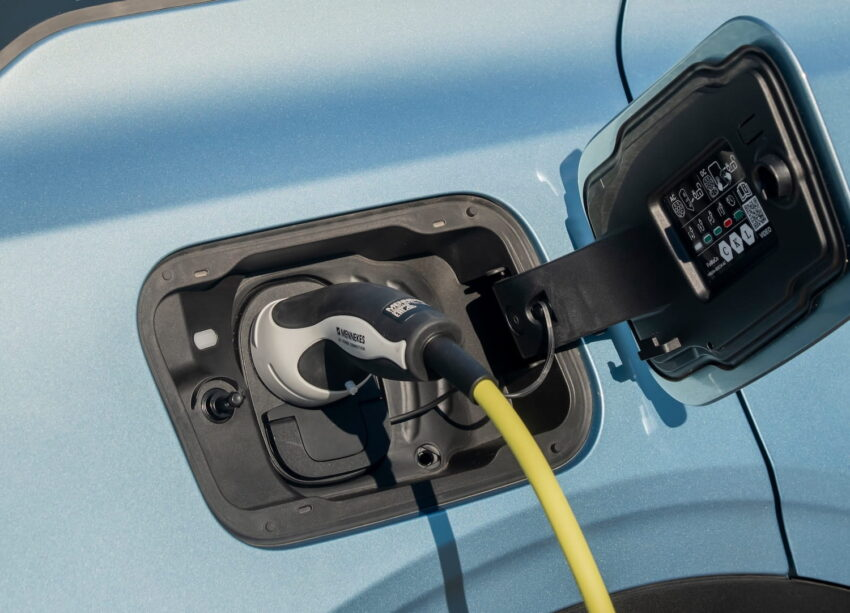
The patent outlines a system designed to evaluate the condition of a vehicle’s charging port and charging components over time. Since EV owners regularly connect and disconnect charging equipment, these components naturally experience wear through normal use. Ford’s proposed system could help identify deterioration, damage, or abnormal conditions before they affect charging performance.
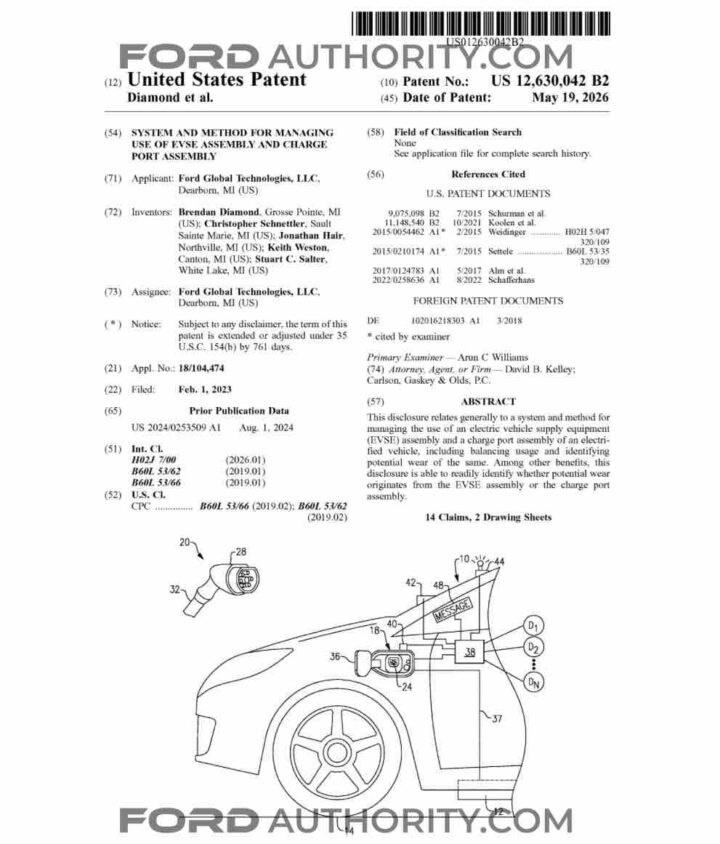
According to the patent, the system would monitor various charging-related parameters and compare them against expected values. If unusual wear or potential faults are detected, the vehicle could notify the owner and recommend inspection or service. This proactive approach could help prevent charging interruptions and improve overall vehicle reliability.
The concept is particularly relevant as more drivers rely on public charging infrastructure and fast chargers. Frequent charging sessions can place additional stress on connectors and charging hardware, making early detection of wear increasingly valuable. By identifying issues before they result in charging failures, Ford could help reduce unexpected downtime for EV owners.
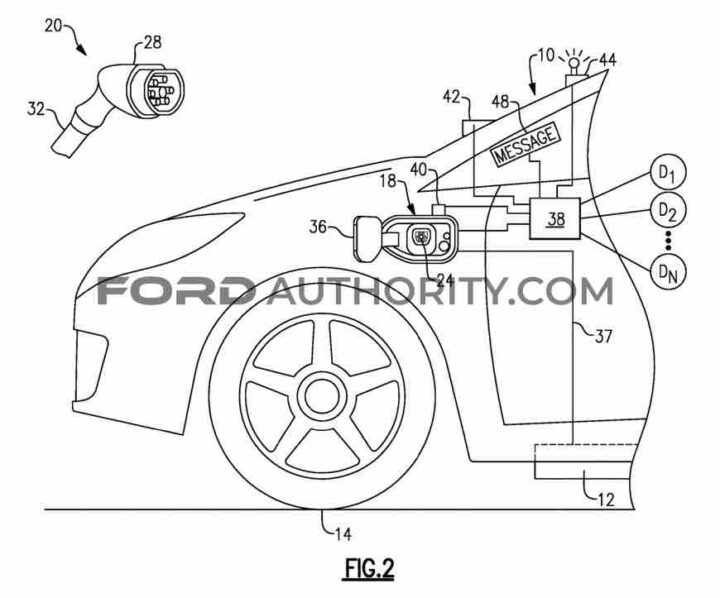
This patent also aligns with Ford’s broader strategy of using software, sensors, and connected vehicle technologies to improve the ownership experience. Rather than waiting for a problem to occur, future vehicles may be able to monitor their own systems and alert drivers when maintenance is needed.
As with all patent filings, there is no guarantee this technology will reach production. However, the idea highlights Ford’s continued focus on improving electric vehicle durability, reliability, and ease of ownership. For drivers considering the transition to an EV, innovations like this could help provide additional confidence in long-term ownership.