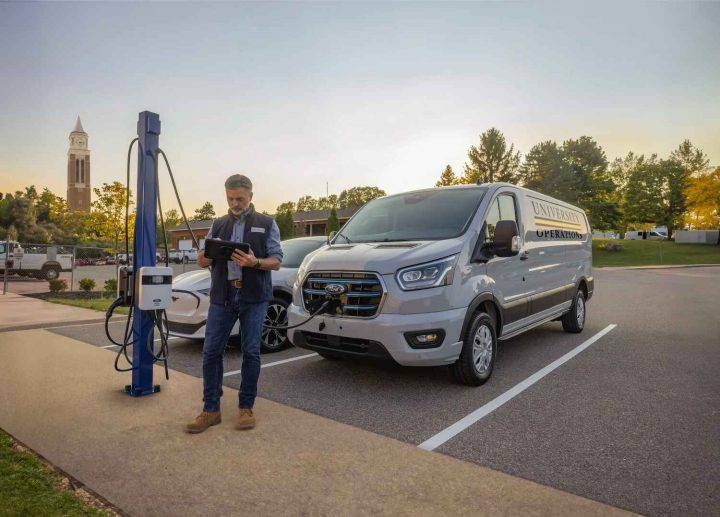
Ford Motor Company introduced the E-Transit for the 2022 model year as an all-electric version of its best-selling commercial van, targeting fleet customers focused on lowering operating costs and emissions. Since then, the electric van has received incremental improvements with each model year, and that trend continues for 2026, even if the updates are not quite as extensive as those applied to the gas-powered Transit.
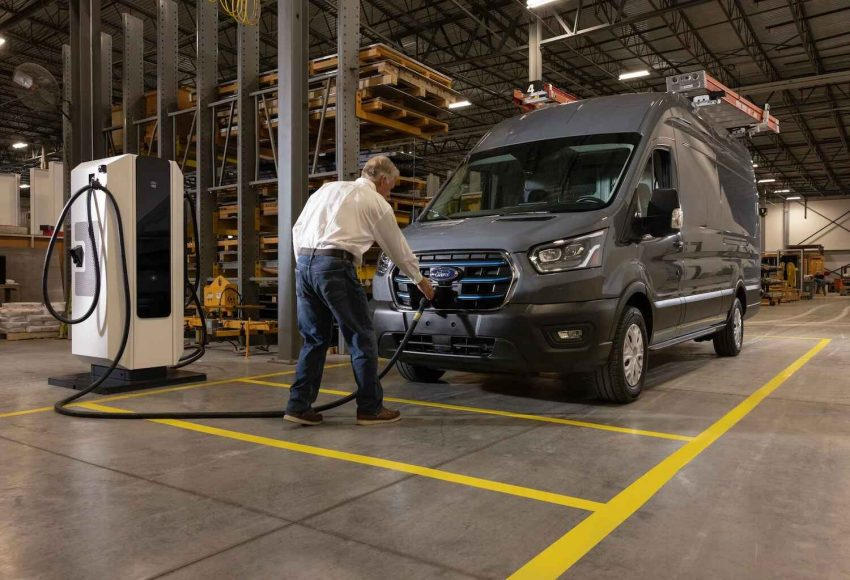
For the 2026 model year, the Ford E-Transit Chassis Cab and Cutaway variants gain a new 156-inch wheelbase configuration. This addition is designed to better support a wide range of aftermarket upfits and service bodies, expanding the van’s flexibility for commercial operators. Ford is also offering dual onboard chargers as a new option, allowing for faster charging when paired with appropriate infrastructure, while a single onboard charger remains standard equipment.
The most significant update, however, is the addition of a standard vapor-injected heat pump across the entire 2026 Ford E-Transit lineup. As previously reported, this system is the same technology already used in the Ford Mustang Mach-E and Ford F-150 Lightning, and it is aimed squarely at improving efficiency in colder climates.
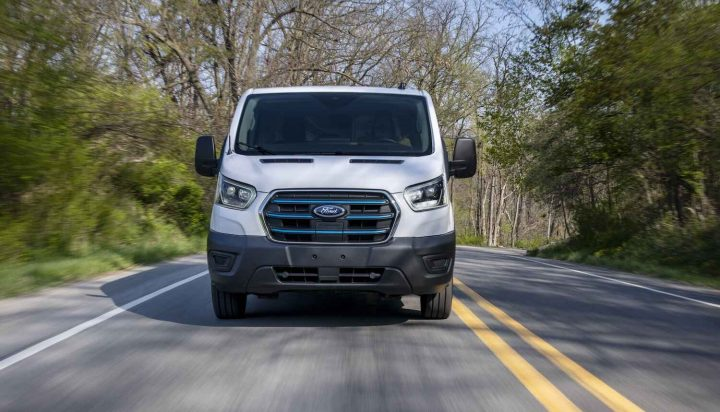
Ford’s Vapor-Injected Heat Pump captures heat energy from outside air and transfers it into the cabin using a refrigerant cycle that requires significantly less electrical energy than traditional resistance heating. By compressing the refrigerant after it absorbs ambient heat, the system can warm the cabin while minimizing battery drain, helping to preserve driving range in cold weather.
The patented system also improves efficiency during warmer conditions. When ambient temperatures rise above 25 degrees Celsius, the integrated cooling function removes heat from the cabin more efficiently, reducing the overall energy demand placed on the battery.
While the 2026 E-Transit does not receive the broader technology upgrades applied to the standard Transit, these targeted improvements should make the electric van a more appealing option for fleets operating in a wider range of climates and duty cycles.