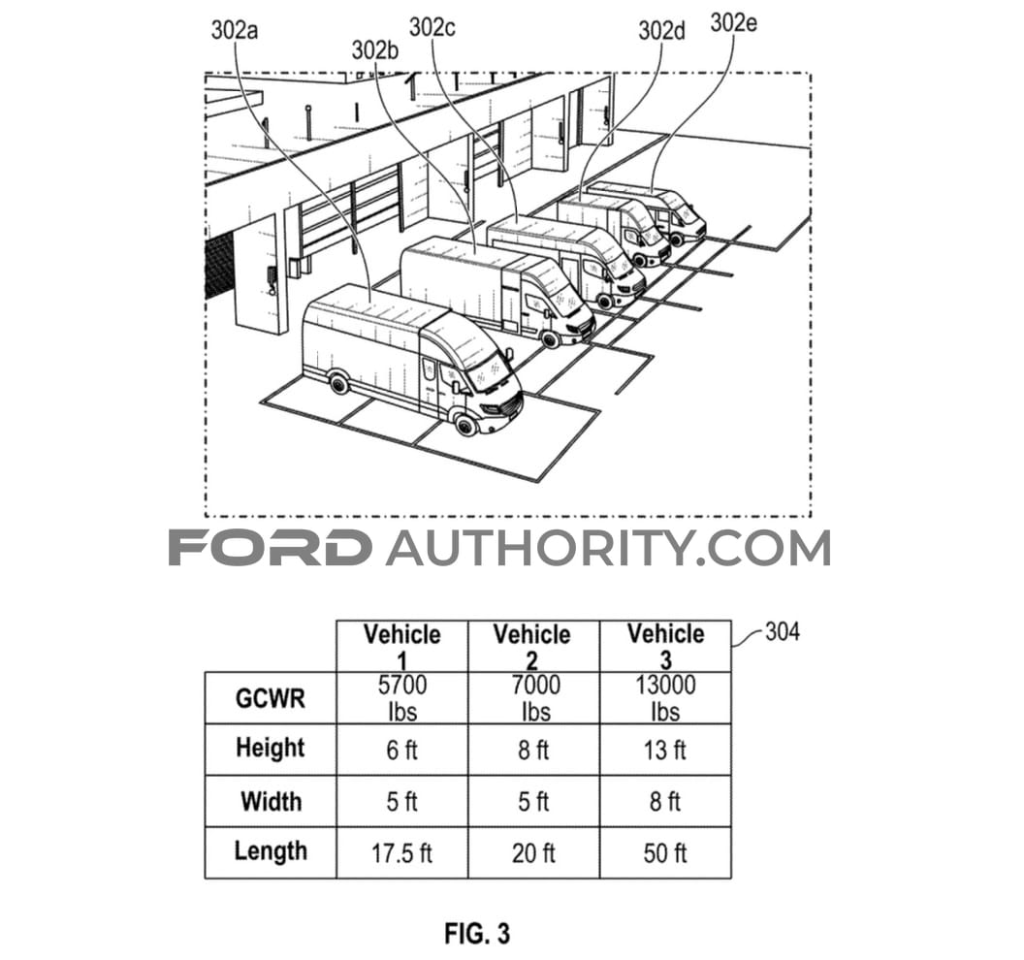
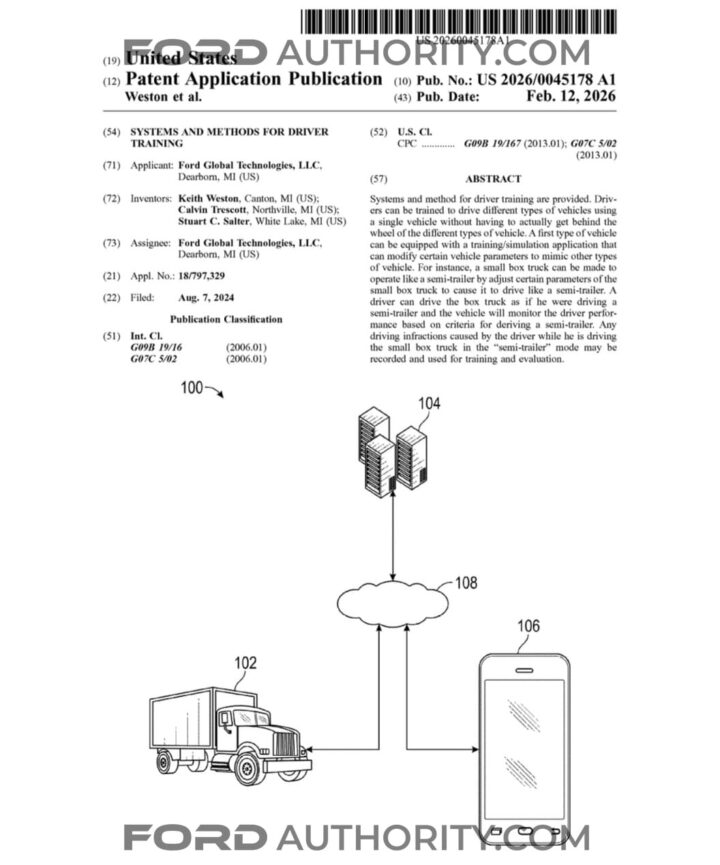
Ford is exploring new ways to improve driver education, and a recently published patent outlines a driver training system that could appear in future Ford vehicles. Designed to help teach safe driving practices, particularly in commercial and fleet environments, the system could simulate multiple vehicle types within a single physical vehicle.
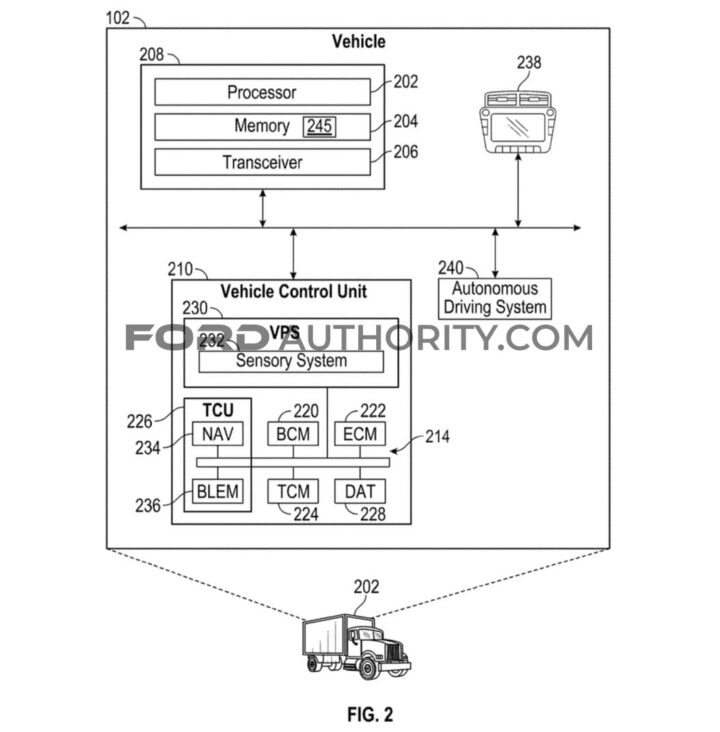
Driver training has always been essential, whether for new drivers learning the basics or commercial operators handling larger, more complex vehicles. This proposed system would allow a single vehicle to virtually replicate the driving characteristics of other types of vehicles. For example, a smaller box truck could be programmed to mimic the behavior of a larger semi-truck by adjusting performance parameters such as throttle response, braking characteristics, and handling dynamics.
By modifying how the vehicle responds, trainees could gain experience operating different vehicle classes without physically switching vehicles. The system would also monitor driver performance and provide feedback tailored to the simulated vehicle type. That feedback could help instructors identify areas for improvement and reinforce safe driving habits.
For commercial fleets, a system like this could potentially reduce training costs and streamline onboarding. Instead of maintaining multiple training vehicles, companies could use one adaptable model to prepare drivers for a range of real-world scenarios. It may also enhance safety by allowing drivers to practice in a controlled, adjustable environment before operating larger equipment on public roads.
As with all patent filings, this technology represents a concept rather than a confirmed production feature. Ford routinely files patents to protect innovative ideas and explore future possibilities. Still, the concept highlights Ford’s continued interest in leveraging vehicle technology to improve safety, efficiency, and real-world training outcomes.
If implemented, a driver training system like this could play an important role in modernizing how both personal and commercial drivers build their skills.