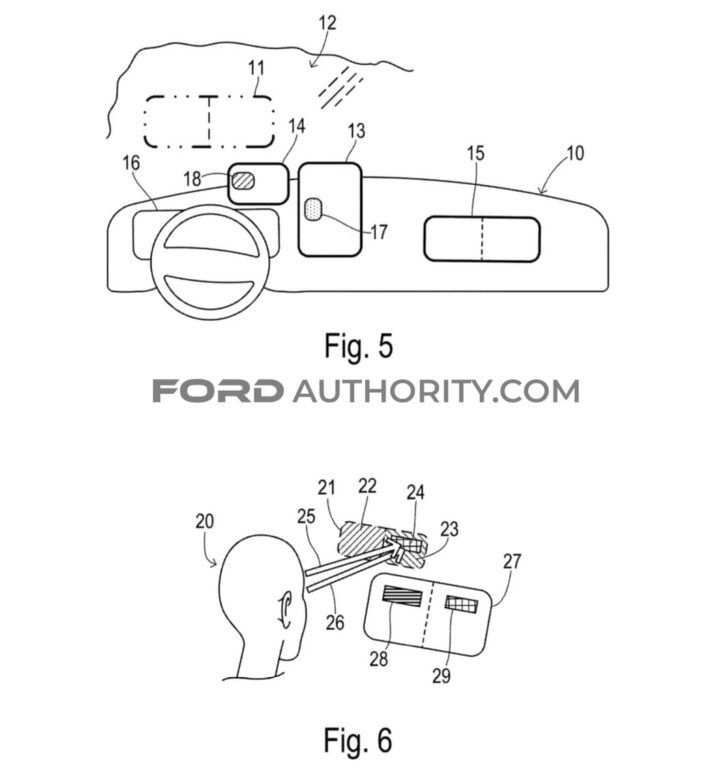
Ford is continuing to explore ways to make vehicle technology more intuitive for drivers, and a newly published patent suggests future Ford vehicles could feature adaptive vision enhancement technology. This system could automatically adjust how information is displayed across multiple screens inside the vehicle, making critical driving data easier to see based on the driver’s position and physical characteristics.
Modern vehicles are packed with digital displays, from instrument clusters to infotainment systems and head-up displays. Ford has already explored making head-up displays smarter with technology that adapts to a driver’s seating position and physical attributes. This latest patent expands on that idea by applying similar adaptive display technology across multiple screens throughout the cabin.
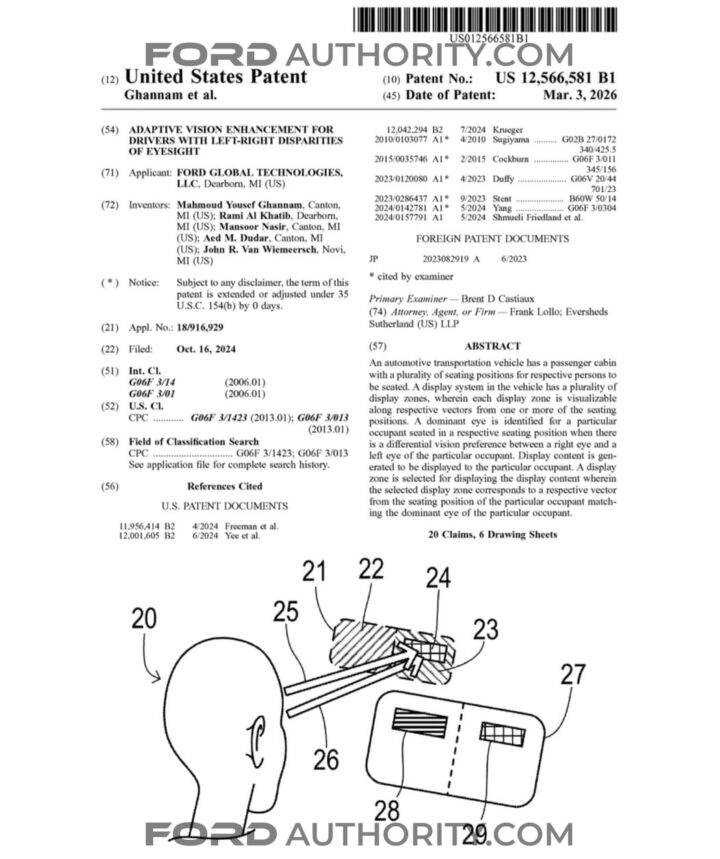
According to the patent filing, the system would create multiple “vision zones” within the vehicle. These zones would adjust the way information is presented depending on where occupants are seated and how they are positioned. The system could analyze factors such as head position, eye gaze, and seating adjustments to ensure key information is directed toward the driver’s dominant eye.
The goal of this adaptive vision system is to make important information easier to see without requiring drivers to shift their focus or search around the cabin displays. By tailoring visual information to each user, Ford aims to create a more intuitive and safer driving experience, especially as vehicles continue to incorporate more digital interfaces.
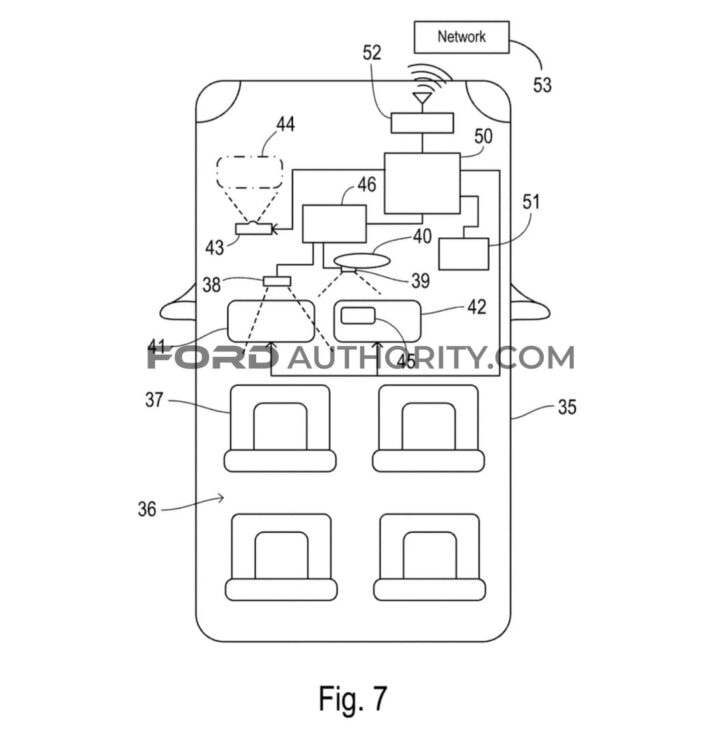
This technology could be particularly helpful in vehicles with multiple screens or advanced driver-assist systems, where quick access to information is critical. By adapting the display to each driver automatically, the system may reduce distractions and make it easier to monitor navigation, alerts, and vehicle data while staying focused on the road.
As with all patent filings, this concept represents an idea Ford is exploring rather than a confirmed production feature. However, it highlights the automaker’s ongoing efforts to develop smarter, more personalized vehicle technology that enhances both safety and convenience.