Road trips remain one of the biggest question marks for electric vehicle drivers, even as charging networks and navigation tools continue to improve. A newly published patent from Ford Motor Company suggests that future Ford EVs could become far more proactive when it comes to managing energy use on longer journeys.
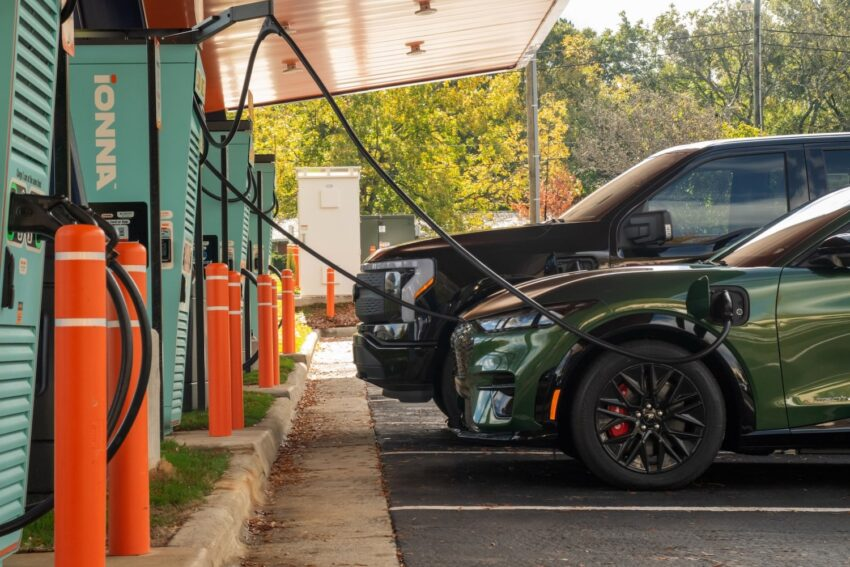
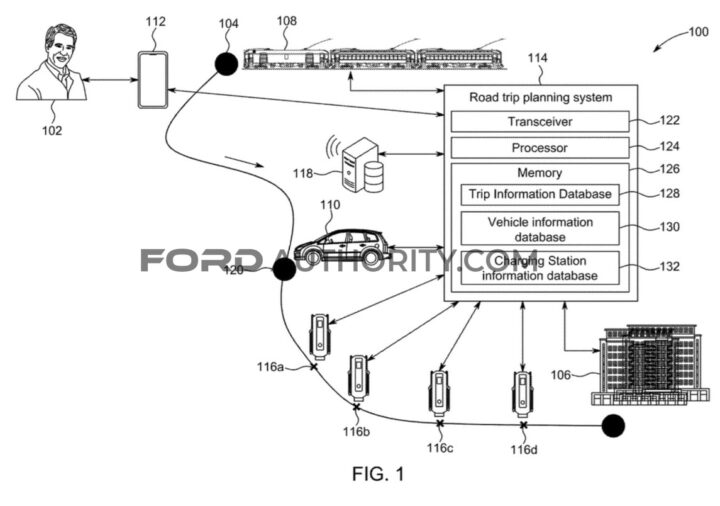
The patent outlines a road trip energy consumption optimization system designed to take much of the guesswork out of EV travel. Instead of simply reacting to battery levels along the way, the system would start planning before the trip even begins. By factoring in the destination, route, and timing, a future Ford EV could automatically pre-condition its battery and cabin while also identifying the most efficient charging stops along the journey.
What makes this concept particularly interesting is its focus on cost and convenience. The system could monitor charger availability in real time and prioritize off-peak charging windows, when electricity costs are lower. That kind of planning could help drivers save money while also reducing wait times at busy fast-charging locations.
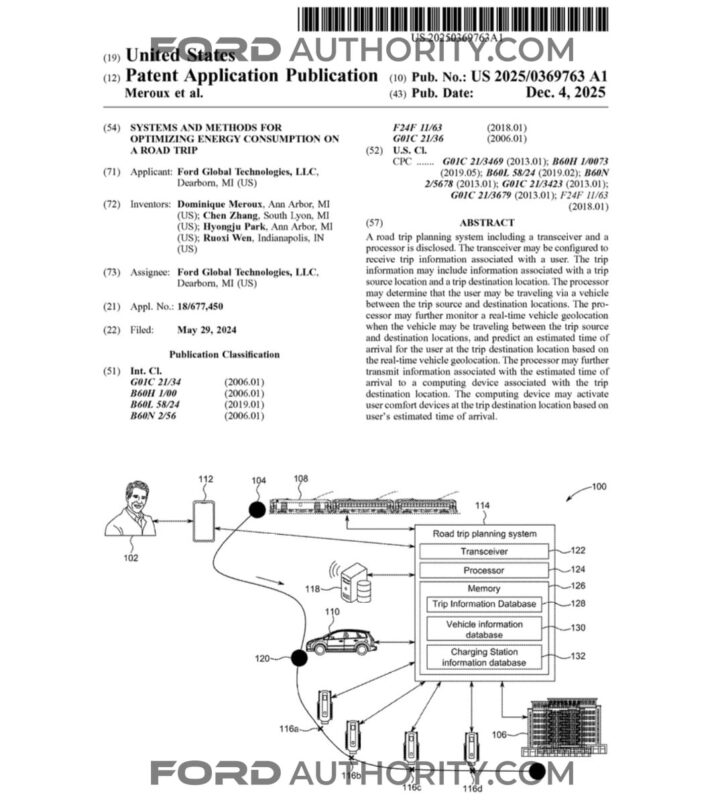
Another notable aspect of the patent is its flexibility. Ford envisions this technology being useful not only for privately owned vehicles, but also for rental EVs. In that scenario, a vehicle could have its route and charging strategy planned before the driver even picks it up, helping newcomers to EVs feel more confident behind the wheel.
Taken together, this patent highlights Ford’s continued focus on making electric vehicles easier to live with in everyday and long-distance scenarios. While most EV charging happens at home, smarter road trip planning could remove one of the last remaining friction points for drivers considering the switch to electric.
As always, patent filings do not guarantee future production features. Still, ideas like this show how Ford is thinking beyond hardware, using software and data to improve the real-world EV ownership experience over time.