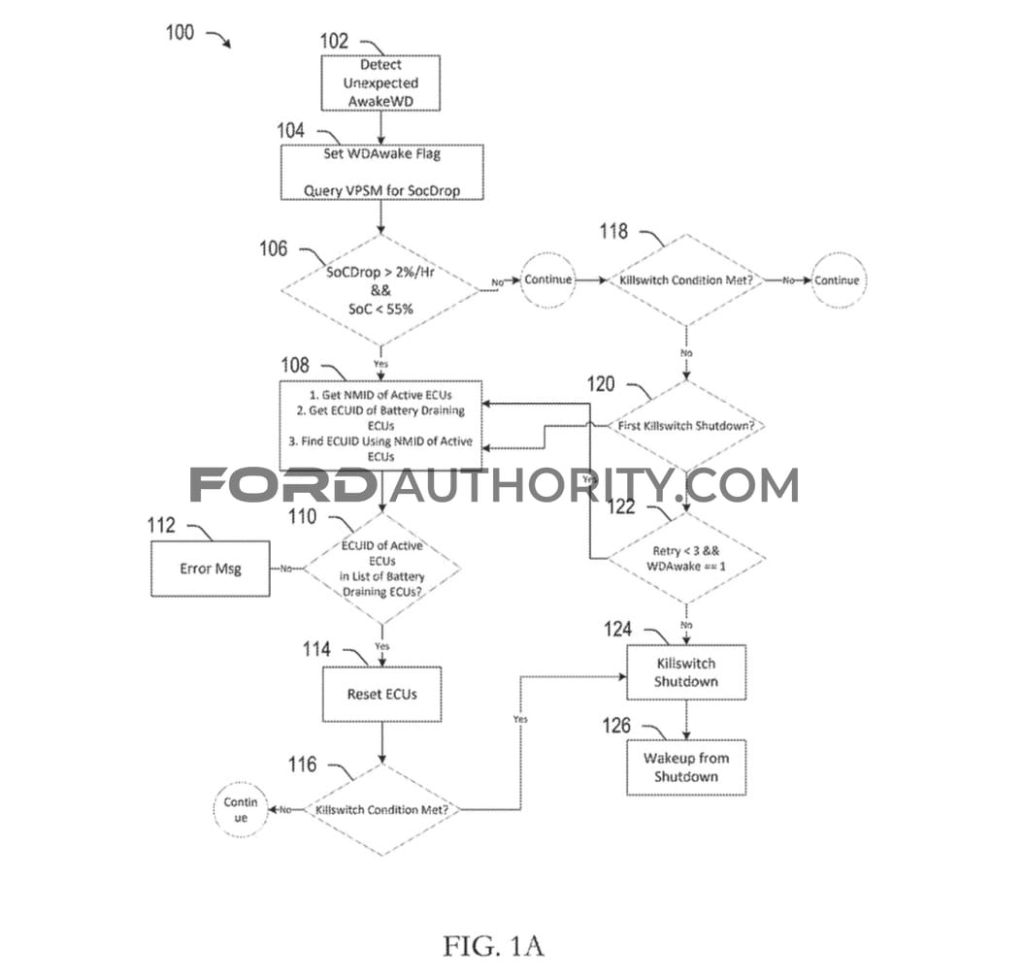
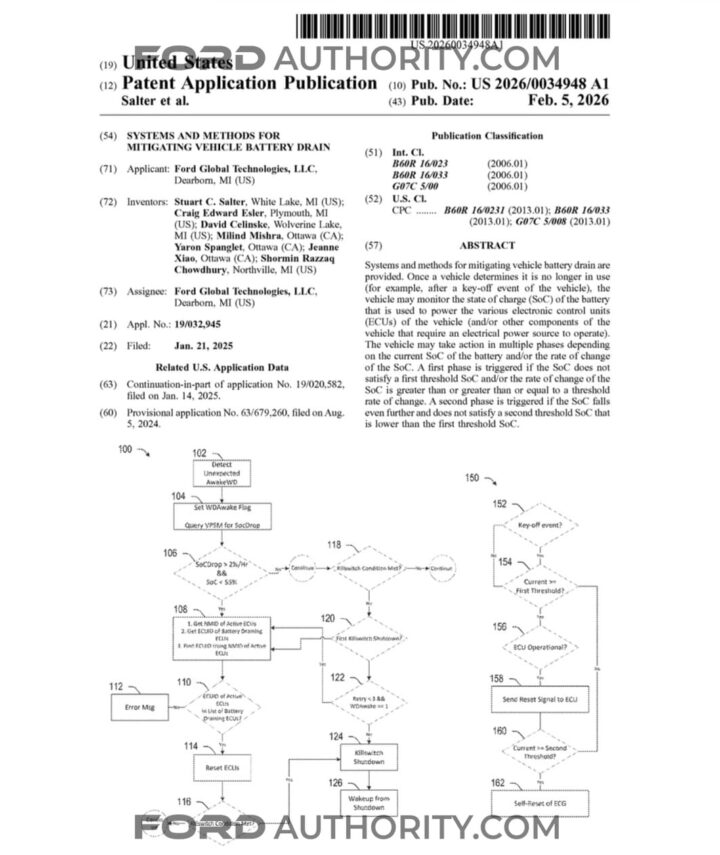
Ford is continuing to refine how its vehicles manage energy, and a newly published patent outlines a battery drain mitigation system that could appear in future Ford models. Designed to monitor and respond to a vehicle’s state of charge while parked, the system aims to reduce unnecessary battery loss and improve long-term reliability.
Modern vehicles, especially EVs and hybrids, rely on multiple electronic systems that can slowly draw power even when the vehicle is not in use. While current Ford models already feature battery saver modes to protect the 12-volt battery, this new patent suggests a more advanced and automated approach. The proposed system would continuously monitor the battery’s state of charge and respond based on preset thresholds.
If the system detects that battery levels are dropping beyond certain limits, it could automatically disable specific features that contribute to energy drain. In more extreme scenarios, it could even activate a type of system-wide shutdown or “killswitch” to preserve remaining charge. This layered response strategy could help prevent situations where a vehicle is left with insufficient battery power after sitting for an extended period.
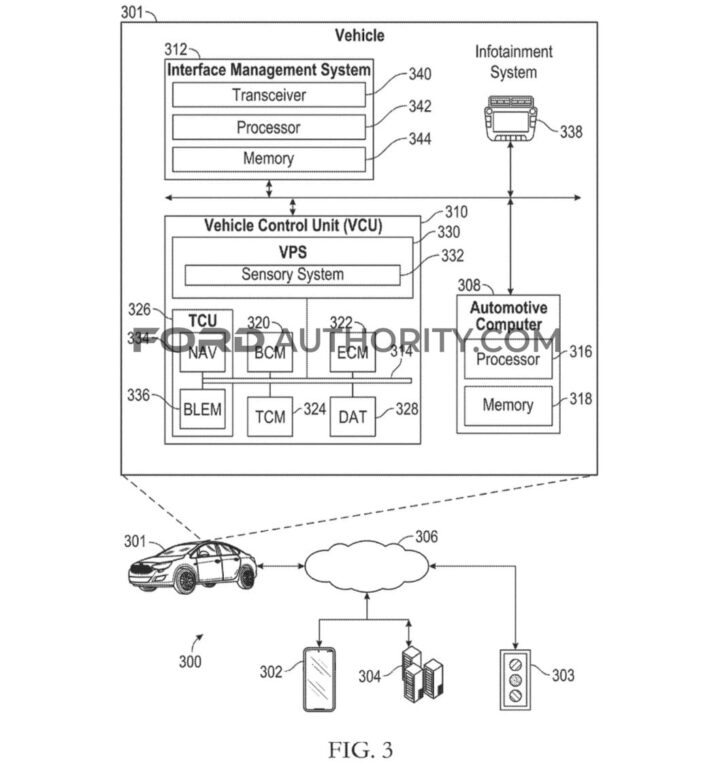
The concept builds on earlier ideas Ford has explored, including a special battery saver mode for electric vehicles that would engage automatically during long-term parking. As vehicles become increasingly connected and software-driven, intelligent energy management systems like this could become even more important for maintaining reliability and reducing owner frustration.
As always, patent filings represent ideas under consideration rather than confirmed production features. Still, the direction is clear: Ford is focused on improving energy efficiency and ensuring vehicles are ready to go when drivers return to them. If implemented, a battery drain mitigation system like this could provide added peace of mind, particularly for owners who travel frequently or store vehicles for longer stretches of time.