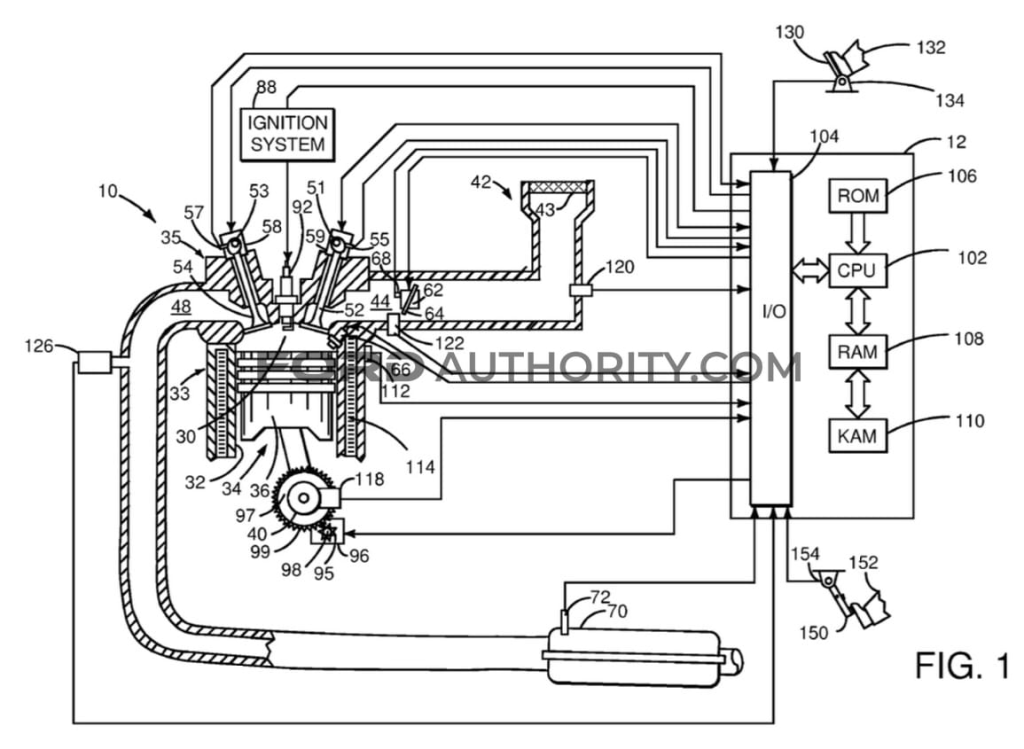
Ford continues to look for ways to make its hybrid vehicles even more efficient, and a newly published patent points to a smarter approach to managing cabin heating. The concept focuses on a vehicle mode control management system designed to optimize how future Ford hybrids warm or cool the interior, depending on driving conditions and where the vehicle is headed.
In recent years, Ford has filed several patents related to heating and climate systems, many of which have centered on electric vehicles. This latest idea shifts the focus to hybrids, where both electric and gas power sources are available. By intelligently deciding how and when to use each power source, the system could help balance comfort and efficiency more effectively than current setups.
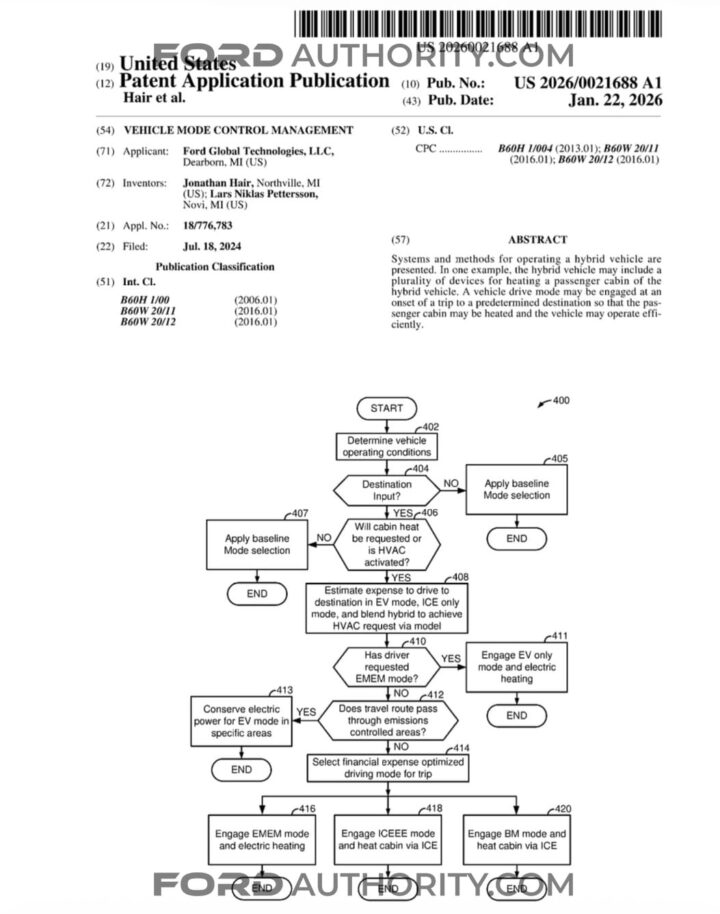
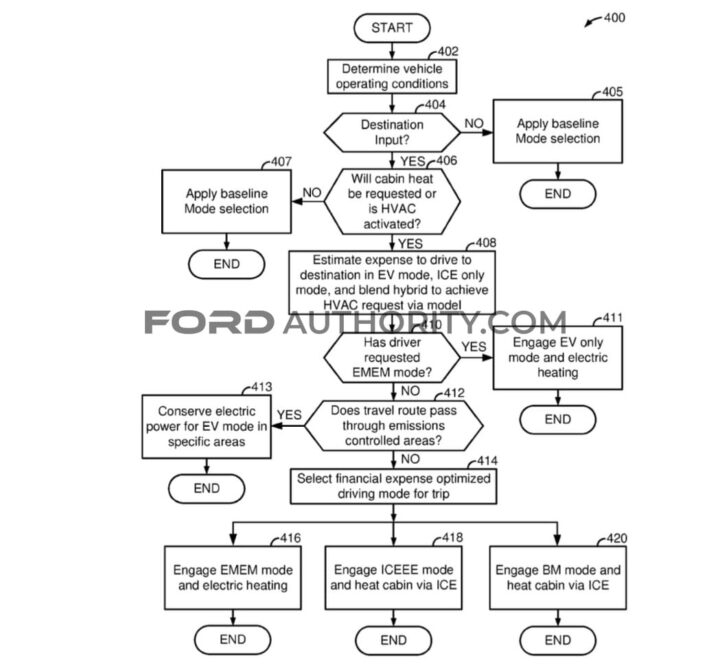
According to the patent, the system would assess factors such as outside temperature, cabin comfort needs, and the vehicle’s destination. It could then determine whether it’s most efficient to heat the cabin using electric-only operation, the gas engine, or a combination of both. That kind of adaptive control could help reduce unnecessary energy use, especially during shorter trips or in colder weather.
The concept also goes a step further by considering where the vehicle is being driven. If the system detects that the route includes an emissions-controlled area, it could preserve enough electric range to allow the vehicle to operate in EV mode when needed. This approach could help drivers avoid potential fees while still maintaining cabin comfort.
As with all patent filings, this technology represents an idea rather than a confirmed production feature. Ford routinely explores a wide range of possibilities through patents, many of which never reach the road. Still, concepts like this highlight Ford’s ongoing focus on smarter, more efficient hybrid systems that aim to reduce costs and improve the ownership experience.
If ideas like this do make it into future Ford hybrids, they could make everyday driving more seamless, especially in regions with varying weather and emissions regulations.