
Ford’s electric vehicle sales saw a strong rebound in the third quarter of 2025, driven primarily by continued momentum from the Mustang Mach-E. Across the United States, Ford delivered 30,612 battery-electric vehicles during Q3, representing a 30 percent year-over-year increase and a significant improvement over the previous quarter.
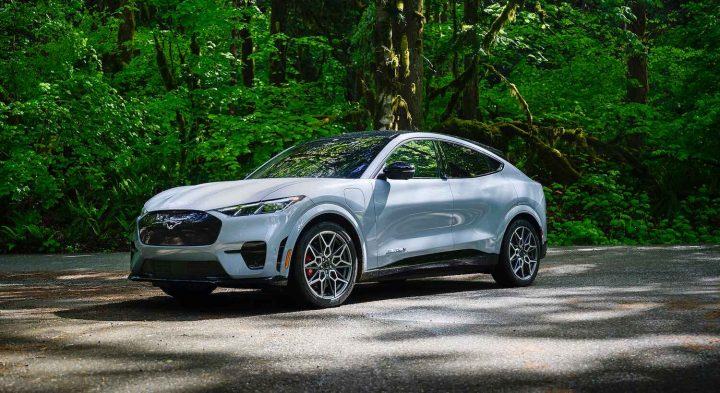
The Mustang Mach-E accounted for the majority of those gains. Sales of Ford’s all-electric crossover surged 51 percent year-over-year to 20,177 units, making up 66 percent of all Ford EV deliveries for the quarter. The F-150 Lightning also posted solid growth, climbing 40 percent to 10,005 units and accounting for 33 percent of Ford’s EV sales.
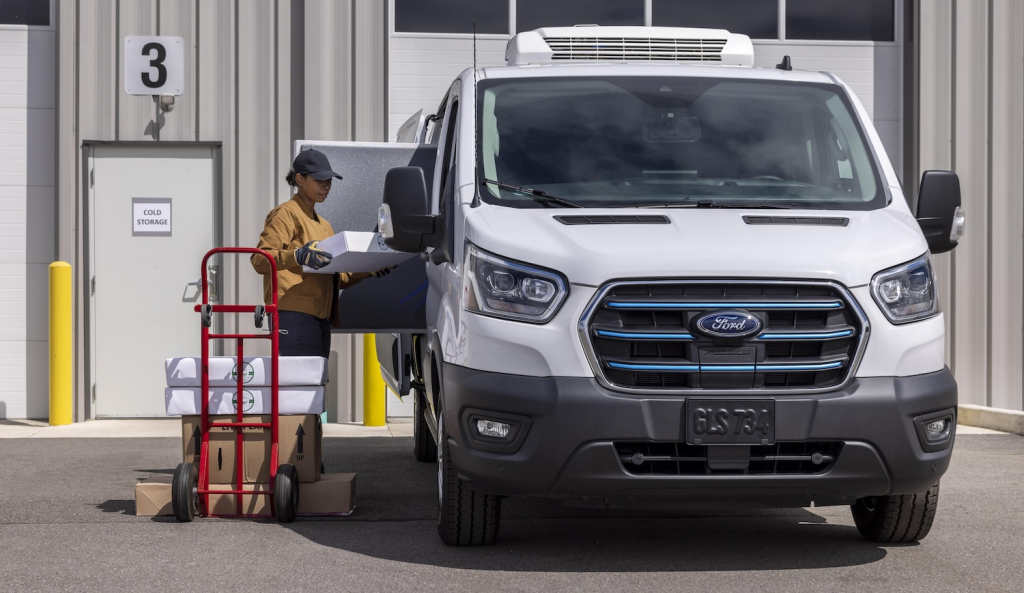
The E-Transit, Ford’s electric commercial van, moved just 430 units during the quarter, a sharp decline compared to Q3 2024. While commercial EV demand softened, strong consumer interest in the Mach-E and Lightning more than offset that drop, resulting in an 86 percent quarter-over-quarter increase in Ford EV sales.
Ford’s EV growth outpaced the company’s overall performance. Total Ford sales rose 12 percent in September, while EV sales continued to grow faster than the broader business. Battery-electric vehicles accounted for seven percent of Ford’s total deliveries, while hybrids and plug-in hybrids represented an additional 11 percent. Combined, electrified models made up 18 percent of Ford’s U.S. sales.
Despite having just three battery-electric models on sale, Ford’s per-model performance remains competitive. General Motors sold more EVs overall during Q3, but it did so across ten different models. Nearly all of Ford’s EV volume came from just two vehicles, underscoring the strength of the Mustang Mach-E and F-150 Lightning in a market facing increased headwinds following the expiration of the $7,500 U.S. federal EV tax credit.
Looking ahead, Ford is positioning itself for the next phase of electrification. The automaker recently unveiled a new universal EV architecture designed to support up to eight body styles. The first vehicle on that platform will be a smaller, affordable electric pickup launching in 2027, followed by a crossover in 2028. While the EV market continues to evolve, Ford’s latest sales results show that well-positioned and competitively priced EVs can still find strong demand.